September 5, 2025

The Anatomy of a Resilient Seated Gate Valve

Cast Iron Gate Valve Solutions: Features, Benefits, and Uses

Could a single, well-made valve cut maintenance time and keep water systems running longer?

At Yaxing Valve, I manufacture and supply Cast Iron Gate Valve Manufacturer and back their quality and after-sales support for U.S. clients. The range is designed for a long service life in public water and light industrial applications.

Every valve combines a rugged cast-iron body, a precision-machined wedge guide, and simple handwheel operation. This yields trustworthy isolation, serviceable upkeep, and steady performance in buildings, fire mains, and utility distribution lines.

I support specifiers with fast submittals and transparent details: sizes, connection types, pressure classes, and optional accessories. We retain cart and preference data (cookies) to make reorders simple.

If you need a practical replacement or a cost-effective option for new projects, weigh these cast iron gate valve benefits versus existing hardware to see lifecycle value and real-world fit.

Why Yaxing Valve Cast Iron Gate Valves Deliver Reliable Flow Control

I verify each Yaxing Valve product myself to confidently recommend it for demanding U.S. applications.

Industrial performance anchored by a robust cast-iron body

Every valve features a strong cast-iron body that resists load-induced deformation. Metal-to-metal seating and precise machining ensure tight shutoff when customers need it most.
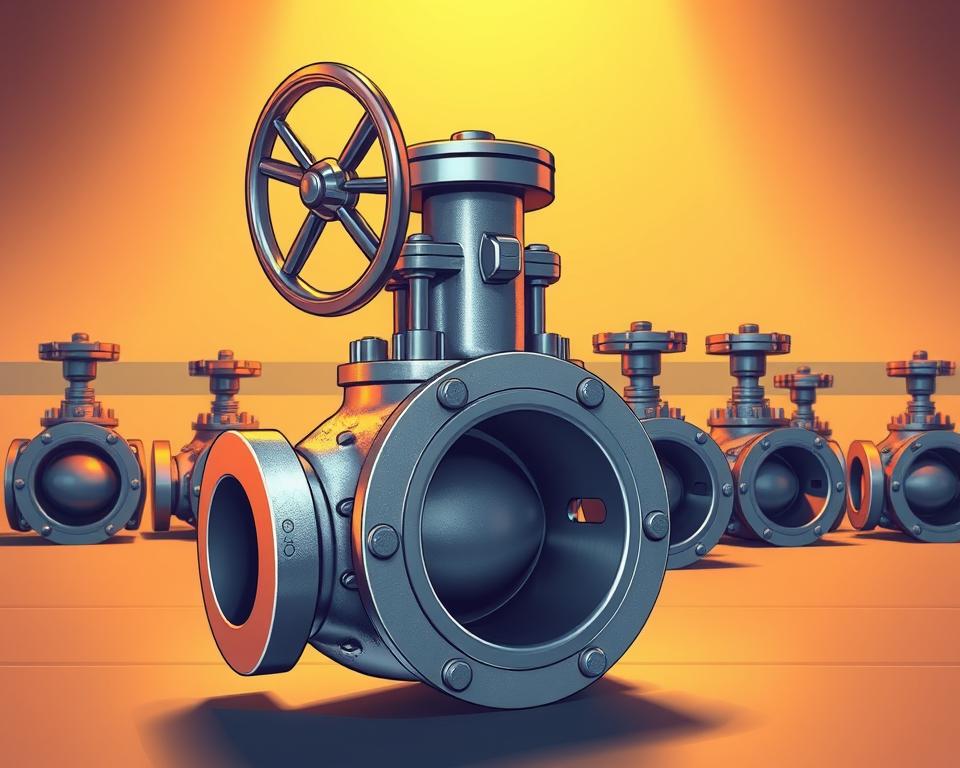
Cast Iron Gate Valve Manufacturer

Shaped for maximum flow and low pressure drop

A streamlined flow path cuts turbulence and pressure drop. This helps pumps operate efficiently while reducing energy consumption.

  • Dimensions and testing are validated to ANSI norms and internal criteria.
  • Stem, wedge, and bonnet interfaces are finished to reduce friction and keep handwheel torque consistent long-term.
  • I balance body thickness for durability and installer-friendly weight.
  • My product support documents tests and standards so procurement can finalize orders fast.
Key Feature Advantage Specification
Robust iron body High structural strength Dimensional stability verified
Streamlined gate Reduced pressure drop Boosts pump operating efficiency
Refined stem and handwheel Smoother operation Stable torque for extended life
Test documentation Speedier submittal clearance ANSI-aligned test reports

Cast Iron Gate Valves—Materials, Design Details, and Key Performance

I detail body, sealing, and stem choices so selection and ordering stay simple.

Body/Bonnet/Wedge Materials

The material stack includes a cast-iron body/bonnet, a precision-machined wedge, and metal-to-metal seating for dependable shutoff in water service and general industry.

Stem/Handwheel configurations

Non-rising stems and inside-screw stems are available for tight spaces. Each screw thread form and packing arrangement is documented in my product details.

Performance Envelope and Standards

I provide qualified pressure/temperature ranges and ANSI-aligned end connections so engineers can confirm fit quickly.

  • Stem/handwheel interface tuned for steady torque.
  • Geometry and smooth internal surfaces minimize headloss through the gate.
  • Series codes with submittal-ready specs shorten ordering cycles.
Part Material/Type Rating Notes
Body and Bonnet Cast iron 150 psi ANSI flange dimensions, welded/bolted options
Gate wedge Machined alloy −20° to 180°F service Metal-to-metal seating, low headloss finish
Stem Non-rising / inside screw N/A Documented thread and packing in datasheet
Series Series YX-100, YX-200 2–12 inch range Simple part numbering

Applications, Installation, and Day-to-Day Operation

I help contractors and owners place these valves where they perform best in modern loops. My aim is to keep selection, installation, and checks straightforward so crews finish commissioning without call-backs.

Waterworks, building systems, and general industry applications

Use a full-bore unit where low restriction matters — long mains, service feeds, and bypass lines benefit the most.

For mechanical rooms and industrial loops with limited headroom, I favor non-rising stem or inside-screw designs.

Install best practices

Protect the body during handling by lifting at rated points and avoiding flange stress. Verify end alignment before final torque to avoid leaks and distortion.

Pick gaskets compatible with your media, follow a cross-torque sequence, and set support spacing to avoid pipeline sag.

O&M notes

Set the handwheel for comfortable access and verify free stem/handwheel movement after packing adjustments.

Schedule torque checks under pressure, inspect wedge and packing, and confirm operating range versus the media. Record tag numbers in your maintenance account and link CMMS work orders.

Area Recommended Action When Benefit
Use-case mapping Use full-bore on mains; inside-screw/NRS in tight spots Planning Less pressure loss and space efficiency
Handling & installation Lift at rated points, align ends, cross-torque Field install Avoids stress-related leaks
Operating checks Verify handwheel feel; test under pressure Commissioning & routine Stable operation with reliable shutoff
Recordkeeping Apply tags and link into CMMS Throughout lifecycle Quicker parts tracking/replacement

Correct handling/commissioning extends service life and keeps Resilient Seated Gate Valve performing and looking like new.

Let’s Specify the Right Iron Gate Valve at Yaxing Valve Today

Contact me with your line size, pressure expectations, and flow needs and I will match the exact series and type to your duty range and temperature limits.

My concise checklist speeds approvals: end type, inside-screw vs non-rising, and handwheel orientation. I also capture stem/handwheel and screw details for clear install guidance.

Check the image gallery for high-resolution views with layouts showing clearance and operator reach. Make an account to save specs, tag valves, and link drawings plus a one-page field PDF.

Reach out for a quick quote—I’ll confirm stock, lead times, series alternatives, and help you finish the order while you review the gallery. We only use cookies to keep your session and cart active.
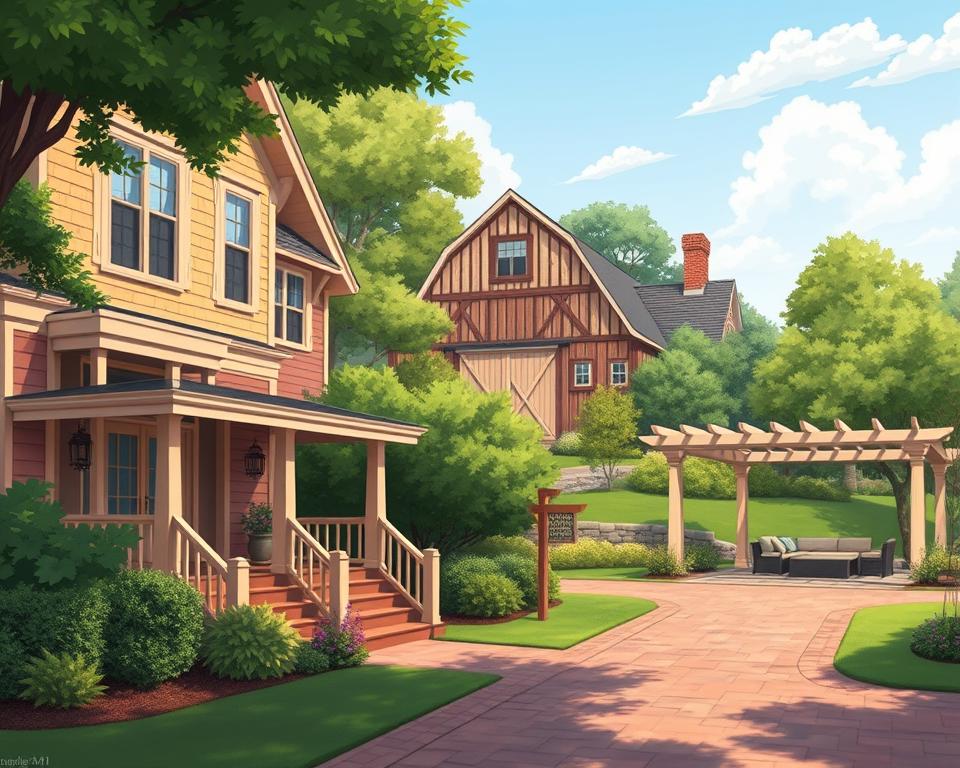
Building an Attached vs. Detached Garage Addition

Earth Bound Building: Straw bale Homebuilding in Howard

Were you aware that homes constructed from sustainable building materials may reduce energy costs as much as 50%? That’s one big reason why a growing number of homeowners choose green building. Earth Bound Building, based in Howard, is at the forefront of this movement, delivering innovative and high-efficiency projects.

Through the use of natural materials such as straw bales within timber frames, Earth Bound Building creates home addition companies Howard which are both eco-friendly but also remarkably robust. The team’s approach combines heritage craftsmanship with contemporary sustainable practices, so every project satisfies the strictest standards of sustainability.

Earth Bound Building’s differentiator comes from their hands-on approach and strong community involvement. They partner with homeowners to design spaces that match their priorities and needs. When you want a eco-conscious way to build, Earth Bound Building is your reliable partner in Howard.

About Straw bale Building?

Straw, often seen as waste, is reshaping eco-design. Straw-bale methods uses stacking bales within timber frames to create walls that are both insulating and structural. The technique reuses an agricultural byproduct, making it a sustainably sourced and eco-friendly choice.

Straw is derived from grain crops like wheat, rice, or barley. In place of burning or discarding it, farmers can sell it for construction. That cuts agricultural waste and offers a sustainable material for homes. The method is straightforward, well-suited to owner-builders and community projects.

One of the notable features of straw bale walls is their insulation performance. Relative to traditional materials like fiberglass or wood, straw bales deliver a higher R-value. In practice, this means they retain heat better, producing decreased energy costs. Below is a quick comparison:

sustainable residential construction Howard

Material R-Value (per inch)
Strawbale R-2.38
Fiberglass R-2.20
Wood R-1.41

Another plus is the use of low-toxin materials. Straw bales are absent of harmful chemicals, promoting cleaner indoor air quality. This makes them a sound choice for families and eco-aware homeowners.

In summary, straw bale construction is a low-impact, energy-efficient, and health-friendly option. It’s a great match for those aiming to reduce their environmental footprint while gaining long-term savings.

Why Select Earth Bound Building for Your Project?

Selecting the right team for your green project can make all the difference. Earth Bound Building is a top choice in eco-friendly design, providing modern solutions aligned with your needs. The firm’s approach blends cutting-edge techniques with a genuine respect for the environment.

Commitment to Sustainability

Earth Bound Building emphasizes sustainable practices in every project. They use carbon-sequestering straw and low-carbon materials to minimize environmental impact. This not only benefits the planet but also contributes to long-term savings for homeowners.

Their partnerships with regional farmers secure ethically sourced materials. By supporting local agriculture, they reinforce a circular economy. This commitment to sustainability makes them stand out in the industry.

Local Expertise in Howard

With deep roots in Howard, Earth Bound Building understands the unique needs of the area. They are well-versed in local climate conditions, permitting processes, and supply chains. This expertise delivers smooth project execution and compliance with regulations.

Their tailored designs honor Howard’s aesthetic preferences while satisfying strict building codes. Whether it’s a residential or commercial project, they deliver results that fit into the local environment.

Focus Earth Bound Building Typical Approaches
Sourcing of Materials Local, ethically sourced straw Imported, high-embodied energy materials
Thermal Performance High R-value insulation Standard insulation
Environmental Impact Low carbon footprint Higher emissions

Earth Bound Building’s focus to sustainability and local expertise positions them as a top pick for your next project. Their modern practices and community-focused approach provide a seamless and eco-friendly experience.

The Upsides of Straw-bale Construction Howard

Green building is growing rapidly for its ability to merge innovation with environmental responsibility. One of the most compelling methods in this field is the use of straw bales. This approach offers a range of benefits, from energy efficiency to eco-friendliness, making it an attractive option for modern homeowners.

Energy Efficiency and Cost Savings

Straw bale walls deliver outstanding insulation, beating traditional materials like fiberglass. With an R-value of 2.38 per inch, they stabilize indoor temperatures, cutting the need for heating and cooling. This can produce energy savings of 50%–75%.

Over time, these savings can offset the initial construction costs. Homeowners benefit from lower energy bills while contributing to a greener planet. Here’s how straw bales stack up against other materials:

Material Thermal R-Value/inch
Strawbale R-2.38
Fiberglass R-2.20
Wood R-1.41

Eco-Friendly and Renewable

Straw is a annually renewing resource that returns each season, unlike timber, which needs many years to mature. Using straw in construction cuts down on agricultural waste and supports a circular economy. It also traps CO₂ in the walls, helping to fight climate change.

Additionally, straw bale walls are low-toxin, improving indoor air quality. They are also highly fire safe, with plastered walls meeting and surpassing 2-hour fire ratings. This makes them a secure and eco-friendly choice for any project.

By choosing straw bale construction, you’re creating more than a dwelling—you’re supporting a healthier, more sustainable future.

How Straw bale Homes Are Constructed

There are a few ways to create sustainable homes using straw bales. Each method delivers unique benefits, from structural support to faster installation. Understanding these approaches can help you select the best approach for your project.

Nebraska Style vs. In-Fill Wall Systems

The Nebraska Style is a traditional method where straw walls serve as the primary structural support. This approach is a great fit for smaller homes and emphasizes simplicity. The bales are stacked directly on the foundation, eliminating the need for additional supports or frames.

In contrast, In-Fill Wall Systems use timber frames to handle the structural load. The bales are installed within these frames, enabling faster roof installation and broader design flexibility. This method is preferred for larger projects where customization is key.

Prefabricated Straw Wall Panels

Prefabricated panels are a contemporary innovation in straw bale construction. These factory-built wall sections cut on-site labor and lower weather-related risks. They are designed for quick assembly, which makes them a practical choice for time-sensitive projects.

Here’s a comparison of the three methods:

Method Highlights Ideal For
Nebraska Style Load-bearing bales, simple process Small homes
In-Fill Systems Timber frames, design flexibility Larger projects
Prefabricated Panels Factory-built, reduced assembly time Quick installations

Each method has its strengths, and the choice is guided by your project’s needs. Whether you lean toward traditional techniques or modern innovations, straw bale construction provides a responsible and time-savvy solution.

Common Myths About Straw-bale Construction

Many people have misconceptions about sustainable materials like straw. These myths commonly prevent homeowners from exploring eco-friendly options. Let’s clear up some of the most common concerns.

Fire Resistance and Safety

One of the biggest myths is that straw is a fire hazard. In reality, compressed bales lack the oxygen needed to burn. Lab tests indicate that plastered straw walls can withstand more than two hours of fire exposure. This surpasses the fire resistance of many traditional materials like lumber.

Plaster acts as a protective barrier, enveloping the bales and inhibiting ignition. This makes straw-based structures very safe. Here is a quick comparison:

Material Type Fire Resistance
Straw (plastered) 2+ hours
Wood 1 hour

Pest and Moisture Management

Another concern is pests. Straw has little to no nutritional value, making it unattractive to rodents and insects. When sealed with plaster, it becomes very hard for pests to penetrate. This neutralizes one of the most common worries homeowners worry about.

Moisture is also addressable with proper design. Elevated foundations, wide eaves, and breathable finishes such as vapor-permeable stucco prevent rot. Modern techniques help ensure these dwellings remain durable for decades.

Here’s how straw stacks up against traditional materials in moisture control:

Assembly Moisture Resistance
Straw with Proper Design High
Wood without Treatment Low

By addressing these myths, it’s clear that straw-based structures are a secure, eco-friendly, and durable choice for modern homes.

Is a Straw bale Home Right for You?

Planning a home that’s both aesthetic and sustainable is easier than you think. With unique features such as deep window niches and sweeping designs, eco-friendly homes deliver endless possibilities. Let’s explore why this might be the perfect choice for you.

Customization and Aesthetic Appeal

One of the standout features of these homes is their design flexibility. You can create organic walls, arched doorways, and built-in shelving to suit your style. The thick walls also deliver strong acoustic privacy, reducing outside noise significantly.

Rustic plaster finishes lend a unique charm, blending modern aesthetics with natural elements. Whether you’re an artist or an eco-conscious family, these homes can be crafted to mirror your personality and needs.

Long-Term Benefits and Sustainability

Choosing a sustainable home isn’t just about the environment—it’s also a savvy financial decision. These homes require minimal maintenance over time, thanks to their energy efficiency. With lower heating and cooling bills, you’ll see substantial savings on utilities.

Additionally, green homes may be eligible for tax incentives and have higher property values. Here is a quick comparison of lifecycle costs:

Aspect Straw Bale Homes Conventional Homes
Energy Costs Lower Higher
Maintenance Minimal Regular
Property Value Higher Standard

Earth Bound Building’s discovery process makes sure your goals match your budget. Whether you’re planning an off-grid retreat or a family home, they’ll work with you every step of the way.

In Summary

Adopting eco-friendly living is powered by the right materials and the right team. Straw bale homes offer unmatched benefits, from energy efficiency to durability. They reduce costs while supporting the environment, making them a forward-thinking choice for modern homeowners.

Earth Bound Building sets the standard for eco-friendly construction in Howard. Their expertise ensures every project achieves the top standards of quality and sustainability. Choose to join the growing community of homeowners who’ve adopted this modern approach.

Eager to begin? Reach out to Earth Bound Building for a custom consultation. Take part in their workshops or walk through completed projects to see the benefits firsthand. Building with straw bale not only creates a residence but also strengthens regenerative agriculture and local economies.