February 18, 2026

Pipe Alignment Corrections Included in Comprehensive Grease Trap Replacement Inglewood

Remarkably, clogged grease drives nearly around 40% of sewer clogs in certain U.S. municipalities. One failing grease interceptor can halt a kitchen and spark expensive fines overnight. This guide is written for business owners and facility managers across the United States. It covers grease trap replacement: when to act, what it costs, and how to keep kitchens compliant and odor-free. Grease traps (grease interceptors) separate fats, oils, and grease (FOG) from kitchen wastewater. This protection reduces sewer backups and environmental contamination.

Read More About Grease Trap Cleaning
Visit The Site Of Grease Trap Pumping
This Site Is About Grease Trap Pumping

You’ll discover real-world signs that a replacement is due. You’ll also see whether a repair or complete replacement is the better move. Correct grease trap installation and ongoing maintenance extend service life.

Timely replacement preserves operations, avoids health-code penalties, and prevents bacterial growth and foul odors. Those problems can damage reputation and property value. Using a professional installer like Grease Cleaning Pros ensures proper sizing, efficient installation, regulatory compliance, and post-job staff training. This is especially important for restaurant grease trap replacement, where downtime directly impacts revenue.

The article ahead covers when to replace, replacement versus repair, cost estimation and financing, installation best practices and permits, maintenance routines, commercial-scale upgrades, and how to choose a qualified contractor for grease trap installation and upkeep.

Grease Trap Cleaning & Pumping

Key Points

  • Grease traps protect sewer systems by capturing FOG before it reaches the plumbing.
  • Timely grease trap replacement prevents fines, odors, and costly emergency repairs.
  • Professional services such as Grease Cleaning Pros provide correct sizing and compliance.
  • Plan for replacement when clogs, odors, or failed inspections become routine.
  • Good grease trap maintenance and proper installation reduce long-term costs.

When To Consider Grease Trap Replacement

Deciding on grease trap replacement involves observing simple signs and reviewing maintenance records. Kitchens with high customer traffic or new equipment may need a larger interceptor. Finding problems early reduces costs and prevents disruptive downtime.

Common red flags

Strong odors near drains or in the kitchen typically signal trapped FOG and bacterial activity. Slow drainage, or sinks that take longer to empty, suggests partial blockages. Visible grease backing up into sinks or floor drains signals solids rising and immediate risk.

Check for obvious damage like cracks, corrosion, or leaks around joints and seals. Rust on metal often indicates structural failure. Repeated clogs or frequent pumping, even after cleaning, suggest the unit’s end of life.

Inspection and assessment process

A grease trap inspection begins with a visual check of covers, baffles, and piping. Technicians measure the grease and solids layers and inspect for corrosion, cracks, and leaks. Service logs are reviewed—maintenance dates, pumping frequency, and repair notes included.

Flow and capacity evaluation follows. Comparing current output to the trap’s rated capacity shows if it’s undersized. Pros may use scopes, cameras, and depth gauges to confirm internal condition. Providers like Grease Cleaning Pros recommend repair or replacement based on age, structural integrity, and performance.

Risks of postponing replacement

Putting off replacement raises the risk of major sewer backups, emergency plumbing bills, and health-department fines. Those outcomes can lead to temporary shutdowns. Small temporary fixes often become recurring expenses, exceeding the cost of a new installation.

Downtime from emergency repairs hurts service quality and revenue. Environmental penalties and liability risks rise if FOG enters municipal systems. Examples show that proactive maintenance plus timely replacement lowers emergency calls and long-term repair costs.

Symptom or Issue Short-Term Action Long-Term Recommendation
Persistent odors Schedule grease trap cleaning and odor treatment Perform grease trap inspection; plan replacement if persistent
Sluggish drainage Clear blockages and monitor flow Check capacity; consider a larger unit or replacement
Grease backups Perform urgent pumping and cleanup Check for damage and replace if the problem repeats
Cracks or corrosion Control leaks and limit system use Replace to prevent structural failure and fines
Ongoing clogs even after cleaning Increase cleaning frequency as a short-term measure Evaluate repair vs. replacement with Grease Cleaning Pros

Grease Trap Replacement Guide

Deciding between repair and replacement depends on a thorough evaluation. Factors such as age, damage, and service history are critical. Often, replacement over repair delivers meaningful long-term savings. This happens because it reduces repeat failures and costly downtime.

Replacement Vs. Repair Decision Factors

Age is a significant factor. Units older than ten years often show corrosion and wear that impacts reliability.

Damage severity is another key consideration. Cracks, leaks, collapsed components, or severe corrosion often means replacement is the safer choice, not repair.

Failure frequency matters too. Repeated clogs or frequent service calls suggest replacement is needed to keep flow consistent.

Do a cost analysis. Compare cumulative repair spending against the replacement cost, including lower ongoing maintenance expenses.

Verify the trap’s capacity fits your current operations. If the trap is undersized, overflows and code violations follow, often making replacement necessary.

Replacement Solution Types

Passive grease traps are simple and budget-friendly. They are suitable for low-volume kitchens but require more frequent cleaning.

Automatic Grease Removal Units (AGRUs) mechanically remove grease. They suit high-volume kitchens by reducing manual work and helping keep waste lines cleaner.

Grease interceptors—especially larger in-ground units—are often required for restaurants and institutions with high flow rates. Local codes often require them for larger operations.

Biodigesters and biological adjuncts break down FOG, extending the time between cleanings when used alongside physical traps.

Material selection impacts cost and lifespan. Choices include concrete, stainless steel, and polyethylene—each with distinct durability and installation requirements.

A Typical Replacement Workflow

To start, a technician assesses the site and delivers a detailed quote. Grease Cleaning Pros offers transparent quotes and clear options.

Then, select the proper trap type, material, and capacity based on kitchen volume, equipment, and local requirements.

Then, obtain necessary permits and schedule the work to minimize downtime for the kitchen.

Remove the old unit, pump out waste, and prepare the site as needed.

Install the new unit, connect the piping, and confirm proper slope and venting.

Test the system by checking for leaks and verifying flow rates and grease separation performance.

Deliver staff training, a maintenance schedule, and log templates. Grease Cleaning Pros highlights the importance of post-installation training and follow-up planning.

Estimating Grease Trap Replacement Costs And Financing Options

Replacing a grease trap involves more than the unit price. It requires understanding total cost—equipment, labor, disposal, permits, and ongoing service. Grease Cleaning Pros suggest getting detailed estimates to compare the upfront cost with long-term value.

Cost drivers to expect

Unit size and rated GPM significantly affect cost. Larger units often need additional equipment and labor, increasing total cost. The choice of material also plays a role, with concrete and AGRU systems being more expensive than plastic or stainless units.

Installation complexity is another major factor. If the job requires excavation, plumbing reroutes, or tight-space work, labor costs can rise. Permits and inspections also add to the expense and timeline.

Waste removal is a critical cost factor. You must factor in compliant disposal of fats, oils, and grease (FOG). Difficult access can raise pumping costs and installation costs.

Common price ranges

Small passive replacements for low-flow kitchens usually cost between $1,500 and $3,000, including basic installation. Mid-range units and many underground interceptors typically range from $3,000 to $7,000, depending on material and site work.

For high-volume kitchens, large interceptors or AGRU installations commonly begin near $5,000 and may exceed $10,000 when excavation and extensive site work are needed. Labor-only installation services may range from a few hundred to a few thousand dollars.

Plan for recurrent costs. High-volume kitchens may require pump-outs every 1–3 months. Market rates for grease trap pumping vary by region and service provider.

Financing and budgeting approaches

Request transparent, itemized quotes from contractors like Grease Cleaning Pros. Compare lifetime operating costs to the initial investment to make a sound decision. Service contracts that bundle maintenance, pumping, and emergency response can help stabilize operating budgets.

Look into short-term financing, business credit lines, or vendor payment plans for grease interceptor work. Some vendors offer phased payment options to help ease cash-flow pressure.

Keep records of maintenance, receipts, and permits. Good documentation supports municipal compliance and may help you pursue rebates or incentive programs. Budgeting for routine care extends service life and reduces total cost of ownership.

Line Item Typical Cost Range In USD Notes
Small passive unit with basic installation About \$1,500 to \$3,000 Good for low-flow kitchens; minimal site work is typical
Mid-range interceptor, including underground options About \$3,000 to \$7,000 Materials and complexity drive price; moderate excavation may be needed
Large interceptor or AGRU setup \$5,000–\$10,000+ For high-volume commercial kitchens; concrete in-ground units tend to cost more
Installation-only (labor, plumbing, permits) About \$500 to \$4,000+ Pricing varies with access, plumbing reroutes, and local code requirements
Grease trap pumping (per service) \$100 – \$500+ Frequency depends on kitchen volume; regional pricing applies
Annual service contract \$600 – \$3,000+ Includes routine pumping, inspections, and priority response
Financing choices Varies by provider Vendor plans, lines of credit, and short-term loans available for financing grease interceptor projects

Grease Trap Installation Best Practices And Compliance

Proper installation is critical to long service life, strong performance, and compliance. Sticking to best practices reduces backups, avoids fines, and prevents costly repairs.

Proper Sizing And Selection

Begin by measuring peak wastewater flow and factoring in hours of operation and equipment type. Use local codes to ensure the right capacity. A unit that’s too small will overflow quickly.

Choose the right system for your business. Passive traps work for low-volume kitchens. For high-volume sites, consider an automatic grease removal unit or a commercial interceptor. Select materials based on corrosion resistance and site demands. Stainless steel and concrete are common choices because they’re durable in commercial environments.

Installation Checklist Steps

Start by assessing drain flow rates, structural capacity, and access for maintenance. Make sure the existing FOG is removed and disposed of properly before the new unit goes in.

  • Placement: ensure clearance around equipment and easy access for maintenance.
  • Piping and slope: install correct piping with proper slope, venting, and backflow prevention.
  • Seals and covers: install secure baffles, non-slip covers, gaskets, and seals to prevent leaks and odors.
  • Testing: perform pressure and water-run tests to verify leak-free connections and correct flow.
  • Documentation: record installation details/serial numbers and provide a maintenance log template plus basic staff training on operation and safety.

Local Regulations And Permit Requirements

Many municipalities require grease interceptors and routine maintenance documentation. Health departments and public works enforce these regulations to protect sewer systems.

Obtain necessary permits for new installations, in-ground interceptors, or major plumbing changes. Expect an inspection after installation. Make sure pumped grease is disposed of in line with local waste-handling rules. Providers like Grease Cleaning Pros provide compliant removal and disposal services.

Maintain detailed service records and pumping logs to show compliance during inspections. Noncompliance with local regulations can lead to fines or shutdowns. Maintain solid documentation and follow best practices throughout.

Grease Trap Maintenance That Extends Lifespan

Keeping equipment in good condition helps prevent expensive repairs. Routine maintenance prevents backups, reduces odor complaints, and extends grease trap life. The best outcomes come from a simple plan: routine cleaning, strong kitchen practices, and targeted treatments.

Suggested Cleaning Schedule

Cleaning frequency depends on kitchen volume. Most places clean every 1–3 months. Busy restaurants often need monthly service, whereas smaller cafes and delis can usually manage quarterly cleanings.

Check the grease and solids layer regularly and schedule service before it hits maximum capacity. Use a certified professional for thorough removal and compliant waste disposal. Grease Cleaning Pros recommends keeping a pumping schedule and logs for inspections and waste manifests.

Daily Operational Best Practices For Staff

Teach staff to scrape plates and collect cooking oil and solids in dedicated containers. Never pour large amounts of oil down sinks. Use sink strainers and floor drain screens to catch debris before it reaches the interceptor.

Avoid hot-water flushing, as it can liquefy grease and push it past the trap, causing blockages. Do brief daily checks for odors, slow drainage, or visible buildup. Log these findings for quick follow-up.

Biological Treatments And Monitoring

Biological grease treatments, like enzyme and bacterial products, help break down FOG. They can extend the time between mechanical cleanings. Use these products as directed, often on a weekly schedule. Treat them as a supplement—not a replacement—for scheduled cleanings and pumping.

Establish a monitoring routine: measure grease depth, log treatment dates, and track the pumping schedule. Monitoring data helps refine service intervals and reduces emergency calls, lowering annual maintenance costs.

Commercial Considerations For Restaurants & Large Operations

Large restaurants, hotels, and food-production facilities have unique grease-management demands. Upgrading equipment and service plans can cut downtime. This supports compliance with local ordinances and protects plumbing from costly backups.

Upgrading to heavy-duty interceptors or AGRUs is wise when peak flows exceed small-trap capacity. In-ground grease interceptors handle large volumes. AGRU installation delivers automation, cuts manual labor, and keeps kitchens operating during busy periods.

Upgrading To Commercial Interceptors Or AGRUs

Pick materials for long life: concrete interceptors work well for rugged, high-volume sites. Stainless steel AGRUs provide reliable mechanics and faster access for service. Proper sizing lowers the frequency of pump-outs and meets municipal compliance requirements.

Maintenance Contracts And Emergency Response

Service contracts provide scheduled pump-outs, inspections, documentation, and priority emergency response. Clear response-time commitments and fixed emergency pricing help reduce unexpected downtime. That helps keep operating costs predictable.

Grease Cleaning Pros and established third-party providers offer 24/7 emergency services. These services help limit business interruptions and reduce health hazards. A good contract includes service logs that can support insurance claims and municipal inspections.

Case Study And Cost Savings Example

A busy bistro switched to monthly maintenance, staff training, and a correctly sized interceptor. The owner reduced plumbing service calls by 80%. This saved roughly $5,000 annually by reducing repair needs and labor costs.

Spending more upfront on an AGRU install or a correctly sized interceptor often pays off. You benefit from fewer service calls, reduced fines, and extended equipment life. Routine grease interceptor service plus a maintenance contract creates predictable budgeting and stronger operational resilience.

Choosing A Professional: What To Expect From Grease Cleaning Pros

Selecting Grease Cleaning Pros gives you access to trained technicians and full-service support for your commercial kitchen. They offer a full range of services—replacement, pumping, repairs, and routine cleaning. This experience helps minimize downtime and keeps your operations aligned with local FOG rules.

Your first step is an initial consultation covering the trap’s size, location, and last service date. After that, technicians complete an on-site inspection. They’ll pump the grease trap, check for corrosion or leaks, and suggest repairs or replacements. You’ll receive a detailed quote outlining costs for trap size, installation complexity, permits, and disposal.

A professional install typically includes removal of the old unit, site preparation, and installation of the new interceptor or AGRU. They take care of piping, testing, and commissioning. Post-service, Grease Cleaning Pros will provide documentation, a maintenance plan, and training on daily practices to extend equipment life.

Expect 24/7 emergency support and compliant disposal of collected FOG. Optional maintenance contracts are available, including scheduled pump-outs and priority service. If you run a restaurant or large operation with recurring grease problems or compliance risk, engaging Grease Cleaning Pros for an assessment and clear estimates is a smart move. It helps protect your business and reduces long-term costs.

Septic Tank Pumping Sylmar: Septic Pumping Frequency for Seasonal Homes

In Sylmar, Septic Services of LA is the proven option for licensed and insured septic service. We specialize in septic pumping and septic tank cleaning in Sylmar. We work to clear out floating solids and sludge, ensuring your system functions properly and safely. We use up-to-date pump trucks, high-volume vacuum hoses, and jetting systems. We carry out thorough inspections to deliver superior Sylmar septic pumping results. We’ve built a reputation around quick service, clear pricing, and adherence to the strictest standards of septic pumping is unmatched.

See Details About Septic Tank Pumping Sylmar
We adhere to environmental regulations, ensuring waste is disposed of at authorized facilities. That dedication to compliance with Los Angeles County regulations and industry best practices is what separates us. Experience unparalleled septic tank pumping in Sylmar services. Trust our certified technicians for fast, cost-effective, and streamlined septic maintenance, all centered on customer satisfaction.

Key Takeaways

  • Septic Services of LA delivers High-standard Septic Tank Pumping Sylmar with fully licensed and insured technicians.
  • Main offerings include septic tank pumping and Sylmar septic tank cleaning to clear scum and sludge buildup.
  • Quick response with same-day and emergency availability is built-in benefits.
  • Crews rely on modern equipment like vacuum trucks and sewer jetters for complete service.
  • Pumped waste is transported and disposed of at permitted facilities to comply with environmental and county regulations.

Understanding The Importance Of Septic Tank Pumping

Knowing what a septic tank does is key to maintaining a home’s wastewater system. Regular Sylmar Septic Tank Cleaning and professional septic tank maintenance are vital. They help protect your property, family, and nearby groundwater from harm that comes from neglect.

What Is A Septic Tank?

A septic tank functions as an on-site wastewater treatment unit. It splits solids, scum, and effluent before discharging to a drain field. The tank body, inlet and outlet baffles, effluent filter, access lids, and the connected drain field work together to treat household wastewater. This is often needed where municipal sewers are unavailable.

Frequent weak spots include damaged baffles, clogged outlet pipes, and malfunctioning effluent pumps. These issues reduce system performance, raising the chances of backups and costly repairs. A Licensed Septic Tank Pumping Company can pinpoint these weaknesses during standard inspections.

Septic Tank Pumping Sylmar

Why Regular Pumping Is Essential

Pumping removes accumulated sludge and scum that can restrict the outlet and clog the drain field. If left unaddressed, this buildup leads to sluggish drains, unpleasant odors, sewage overflows, and full backups into the home.

Ongoing maintenance ensures the drain field works correctly, reduces groundwater contamination risk, and extends system lifespan. Most households require pumping every 3–5 years. The precise interval depends on tank size, household size, water usage, and the volume of solids entering the system.

Adopting simple best practices after service helps a lot: limit harsh chemicals, avoid pouring grease and cooking oil down drains, and adhere to local health department guidelines. When you combine these habits with professional septic tank maintenance ensures reliable performance and reduces emergency repair risks.

Signs You Need Septic Tank Pumping

Unusual symptoms in your home call for quick action to avoid expensive repairs. Regular inspections can identify issues before they turn serious. Sylmar Septic Tank Cleaning professionals frequently encounter common warning signs ahead of major failures.

A common first sign is persistent sewage odors. These smells, whether inside the home or near the drain field, suggest solids may be escaping or the system is malfunctioning. Promptly calling qualified Sylmar Septic Tank Pumpers is advised when such odors persist.

Slow fixtures and frequent clogs often signal a full tank or a blocked outlet. If toilets back up with raw sewage or multiple fixtures drain slowly, prompt service is imperative. In cases of raw sewage backups, Emergency Septic Tank Pumping may be required.

Effluent surfacing, indicated by pooling water near the tank or drain field, is another serious warning. Soggy ground, standing gray water, or unusually lush grass over the field are all indicative of a failing drain field. Such issues can damage landscaping and pose environmental hazards.

Common Warning Most Likely Cause Suggested Action
Persistent sewage odor Solids reaching outlet or failing tank Contact Sylmar Septic Tank Pumpers for inspection
Slow drains and recurring backups Full tank or blocked outlet Book Sylmar Septic Tank Cleaning; use Emergency Septic Tank Pumping if raw sewage appears
Standing water or soggy soil Surfacing effluent and drain field failure Stop using water heavily; call Sylmar Septic Tank Pumpers immediately
Alarm activation or tank overflow Pump failure or severe overfill Call for same-day Emergency Septic Tank Pumping service
Thick grass growth near the tank Extra nutrients caused by surfacing effluent Book inspection and cleaning through Sylmar Septic Tank Cleaning

Not all signs require immediate attention, but some do. Raw sewage, active overflows, and pump alarms demand same-day or 24/7 response to safeguard health and property. It is wise to maintain contact information for dependable Sylmar Septic Tank Pumpers for prompt assistance.

The Septic Tank Pumping Process

Efficiency and reliability are key in septic service. Trained technicians start with a thorough inspection to understand the system’s needs. This initial step determines the time, cost, and any additional work required.

Initial Inspection

Technicians first locate the tank and access the lids and risers. They then assess the tank’s condition, baffles, effluent filters, and the drain field for any damage or leaks.

When access is restricted, camera inspections provide a non-invasive look at the interior walls and outlet pipes. Staff measure the tank’s size and record the sludge and scum depths. This information defines the pumping scope and schedule.

Pumping And Cleaning

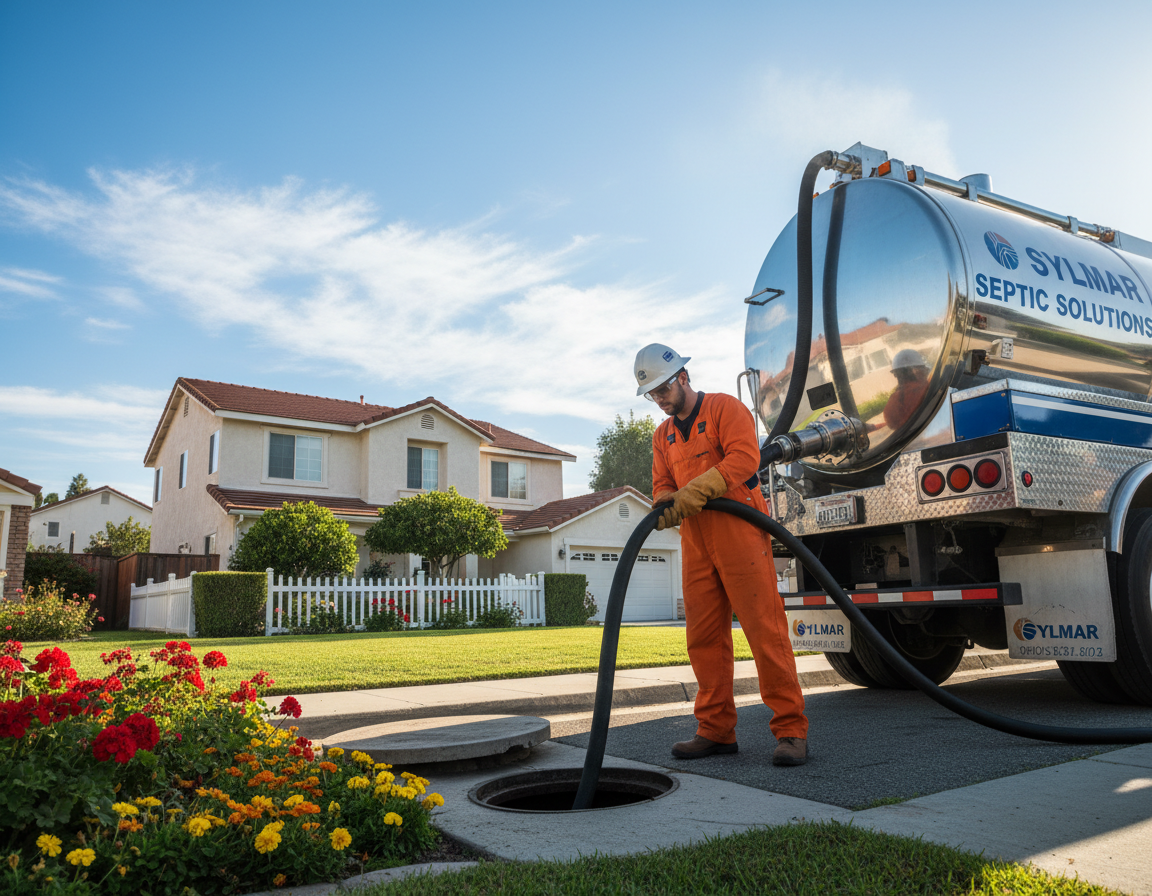
Industry-grade pump trucks and vacuum hoses remove liquids, floating solids, and settled sludge. A standard 1,000-gallon tank usually takes 1–2 hours. Larger or neglected systems may require more time.

High-pressure jetting is used to clear clogged drain lines when necessary. Technicians clean or replace effluent filters, inspect baffles, and check outlet pipes to ensure proper flow. Advanced equipment minimizes yard disruption and enhances results.

Post-Service Recommendations

Waste is transported and disposed of at approved facilities, adhering to environmental regulations. Technicians may recommend bacterial treatments and advise limiting water use briefly to aid in biological recovery.

Clients receive a detailed service report that includes measurements, any recommended repairs, and a tailored pumping interval—usually every three to five years. The top septic pumping service also provides easy prevention tips, such as avoiding grease, oil, and harsh chemicals down drains.

Step What We Check Common Time Why It Matters
First Inspection Tank access, lids, baffles, effluent filter, drain field condition, sludge depth 20 to 40 minutes Sets scope, identifies leaks, creates a safe plan
Pump-Out Liquid, scum, settled sludge removal using vacuum trucks about 1–3 hours (varies by tank size) Reclaims capacity and reduces backup risk
Cleaning And Jetting Jetting lines, replacing/cleaning filters, checking baffles 30–90 minutes (if required) Removes blockages and improves drain-field flow
Reporting & Recommendations Service report, disposal confirmation, maintenance advice 10–20 minutes Informs owner, schedules next service with a Licensed Septic Tank Pumping Company

Picking a reliable provider ensures the Septic Tank Pumping Sylmar job is done right. Look for credentials, clear reporting, and a reputation as the best septic pumping service when scheduling routine work or handling an urgent issue.

Benefits Of Professional Septic Services

Opting for professional septic care ensures your system operates efficiently and safely. Trained technicians detect minor issues early, safeguarding your property and delivering outcomes that DIY efforts often cannot achieve.

Expertise And Experience

Licensed professionals conduct meticulous inspections, uncovering hidden problems such as damaged baffles or outlet malfunctions. Their adherence to industry standards, as set by the National Onsite Wastewater Recycling Association standards, guarantees quality service.

Professionals often provide warranties and are insured, providing homeowners with added confidence and protection during the service. This makes professional septic tank maintenance a more reliable option for long-term property care.

Quality Equipment

Using advanced pump trucks, high-volume hoses, sewer jets, and camera diagnostics, professionals achieve more complete cleanings. These tools minimize yard disruption and expedite the process.

Employing superior equipment enables technicians to perform top-rated Sylmar septic pumping with fewer return visits and a lower risk of accidental damage.

Time And Cost Efficiency

Regular, Professional Septic Tank Maintenance prevents costly repairs and reduces the likelihood of full system replacement. Routine maintenance extends the life of system components, saving money over time.

Quick response and efficient methods reduce downtime during emergencies. Transparent pricing and Affordable Septic Services eliminate surprise fees, ensuring homeowners have clear expectations for standard pumping rates based on tank size and access requirements.

Septic Services Of LA: Your Local Experts

Septic Services of LA offers licensed, insured septic care to homes and small businesses in the San Fernando Valley. Our team excels in pumping, cleaning, inspections, and routine repairs, prioritizing service quality. We employ modern pumping rigs and filtration equipment to safeguard systems and the environment.

Company Background

As a fully licensed pumping provider, Septic Services of LA boasts a team of seasoned technicians. They are trained in industry best practices and adhere to strict waste-handling rules. Septic-safe biodegradable cleaners are used when necessary to minimize environmental impact.

Our customers benefit from transparent pricing, flexible scheduling, and written service guarantees. We offer maintenance plans to ensure consistent system performance. Our commitment to rapid communication and clear invoices fosters trust among homeowners and property managers.

Service Areas Covered

Our Sylmar septic tank pumpers are our primary focus, with regular service in Encino, Tujunga, Sunland, Shadow Hills, and Lake View Terrace. We also serve adjacent San Fernando Valley communities for both residential and light commercial needs.

A dedicated fleet of pump trucks is available for both routine and emergency calls. Our well-reviewed Sylmar septic pumping service offers 24-hour response for urgent backups and overflows. We provide maintenance plans, contract scheduling, and capacity for multi-property work, ensuring timely service.

Service Category Coverage Area Who We Serve Availability
Pumping & Cleaning Sylmar, Encino, Tujunga Homes and light commercial properties Same-day availability
Inspection & Diagnostic Services Sunland, Shadow Hills, Lake View Terrace Comprehensive system evaluation Scheduling within 48 hours
Emergency Pump-Out Communities throughout the San Fernando Valley Multiple pump trucks on call 24/7 response
Maintenance Plans Throughout our regional service area Recurring visits and record keeping Priority service scheduling

Types Of Septic Services Offered

Our services encompass routine maintenance, urgent interventions, and specialized repairs. These efforts are designed to maintain system functionality and safeguard property integrity. Each service adheres to local regulations and industry standards, ensuring the safe management of waste and prolonging system longevity.

Routine Pumping Services

Our scheduled visits include routine septic pumping, effluent filter assessments, and periodic inspections. These are tailored to the tank’s size and the household’s usage patterns. Technicians offer guidance on optimal pumping intervals and document the system’s condition at each visit.

Maintenance plans integrate regular pumping, inspections, and minor repairs to prevent major system failures. Customers receive a detailed service record. This record aids in predicting future needs and managing costs through proactive maintenance.

24/7 Emergency Pumping Services

Emergency pumping is available 24/7 for issues such as backups, overflowing tanks, or raw sewage in living areas. Our crews respond promptly, equipped with safety gear and the necessary pumps to minimize damage.

Quick troubleshooting and interim measures, like bypass pumping, are implemented to restore functionality swiftly. A detailed repair plan is then formulated. When necessary, our teams collaborate with local authorities to ensure compliance with environmental regulations.

Maintenance and Repair

Our repair services include baffle replacement, outlet pipe work, effluent pump servicing, and maintenance of risers and lids. Drain field jetting or flushing is performed to enhance soakaway performance when surfacing or slow dispersal occurs.

Effluent filter installations and system upgrades are offered to extend system longevity and reduce service frequency. All work is accompanied by proper waste disposal and documentation, ensuring regulatory compliance.

Offering Typical Availability Key Benefits Typical Frequency
Scheduled Septic Pumping Booked appointments Prevents backups, extends tank life Every 3–5 years, varies by use
Emergency Septic Tank Pumping Same-day service or 24/7 dispatch Limits damage, protects home and property Only when failures occur
Maintenance & Repair Assessment as soon as next day for non-urgent issues Brings systems back to proper operation As needed or included in a plan
Sylmar Septic Tank Cleaning Routine or on-call Local know-how and tailored care Matches pumping schedule
Affordable Septic Services Estimates within 24 hours Budget-friendly plans, transparent pricing Available in bundled packages

We keep pricing clear and records detailed, making affordable septic services easy to evaluate. Residents in the San Fernando Valley and surrounding areas benefit from practical plans that balance cost with long-term protection.

Eco-Friendly Septic Solutions

Choosing greener options protects your property and the local watershed. Eco-Friendly Septic Solutions integrate the use of safe products, prudent habits, and expert maintenance. This approach ensures systems operate efficiently for longer periods, minimizing environmental harm.

Septic-Safe Biodegradable Cleaning Products

Choosing septic-safe, biodegradable treatments and cleaners is essential. These products support the tank’s bacterial balance without causing harm. Unlike harsh chemicals, biodegradable cleaners do not disrupt the beneficial microbes or contaminate the drain fields.

Opt for enzyme-based additives and phosphate-free soaps. Always verify the compatibility of cleaning products with septic systems by checking labels. Regular application of these safe products helps maintain consistent decomposition and reduces the need for emergency services.

Sustainable Practices

Correct septic waste disposal at approved facilities is critical. It safeguards groundwater and adheres to environmental regulations. Sustainable practices involve directing pumped solids to licensed treatment plants and maintaining accurate records for compliance.

Using modern, low-impact equipment during maintenance minimizes site disturbance. This approach reduces emissions and preserves the integrity of the landscape. Professional Septic Tank Maintenance teams adhere to local health department guidelines for waste handling and transportation.

Homeowner actions significantly impact septic system longevity. Conserving water, limiting grease and wipes, and avoiding non-biodegradable items in the system are key. These simple actions can extend the life of the system and decrease the frequency of repairs.

Focus Recommended Practice Benefit
Cleaner selection Choose enzyme-based, phosphate-free cleaners Supports healthy bacteria and protects drain fields
Waste handling Deliver solids to licensed treatment facilities Stays compliant and safeguards groundwater
Service methods Rely on low-impact pumping equipment Reduces emissions and landscape damage
Homeowner habits Practice water savings and dispose of grease properly Extends tank life and lowers maintenance costs
Role of professionals Routine inspections and Professional Septic Tank Maintenance Prevents failures and supports sustainable performance

Customer Testimonials And Feedback

Client reviews demonstrate the practical benefits of a dependable septic team. People seek evidence of prompt service, courteous technicians, and thorough cleaning. They also value transparent pricing and minimal disruption to their property. Google and Yelp reviews often confirm these aspects of service.

Clients often applaud crews for their punctuality and detailed explanations. They appreciate how licensed Sylmar septic tank pumpers leave detailed service reports and maintain tidy work areas. A satisfaction guarantee from a provider instills confidence and encourages repeat business.

Positive Client Experiences

Common praises include prompt arrival, polite technicians, and complete pump-outs. Transparent estimates and clear invoices prevent unexpected costs. Clients also appreciate minimal property impact and swift clean-up, showing their concern for landscaping and driveways.

Importance Of Trust In Septic Services

Trust comes from verifiable licensing, insurance, and documented waste disposal methods. Prospective clients should request references and confirm insurance before hiring. Clear communication during emergencies and documented service reports enhance accountability.

Choosing a Top-rated Sylmar Septic Pumping team or the top septic pumping service begins with reviewing testimonials and licensing. Local residents trust Sylmar Septic Tank Pumpers for their transparent practices, quick response, and verifiable credentials.

Common Misconceptions About Septic Tanks

Septic systems often spark confusion. Homeowners hear myths that sound plausible. Clear facts help protect property and budgets.

This quick overview covers two widespread beliefs. Use it to weigh DIY actions against professional advice. The goal is safe, reliable septic care that stays within Affordable Septic Services ranges.

Septic Tanks Are “Maintenance-Free”

Some people assume a septic tank runs trouble-free for years. Routine pumping and inspections prove this is not true. Most systems need pumping every 3–5 years. Household size, water use, and garbage disposal habits can shorten that interval.

Neglect raises the risk of backups and drain field failure. Repairs or full replacements can cost far more than routine service. Licensed technicians perform inspections that spot worn baffles, leaks, and early signs of failure.

DIY Fixes Are Always Enough

Basic fixes can seem cost-saving at first. DIY attempts at pumping, chemical treatments, or component repairs carry real hazards. Improper pumping can leave solids behind. Harsh additives can harm microbes that break down waste.

Professionals bring specialized pumps, safe containment, and transport to approved treatment facilities. They follow local codes and provide accurate diagnostics. In emergencies, trained crews manage hazards, protect landscapes, and resolve issues faster than most DIY approaches.

Subject Common Belief The Reality Benefit of Professional Service
How Often To Pump Never or very rarely needed Usually every 3–5 years; depends on usage Scheduling based on inspections and household data
Additives Additives handle every issue Harsh chemicals can disrupt microbial action Septic-safe products and targeted treatments
Quality Of Pumping A rental pump is good enough Partial removal and higher equipment risk Commercial-grade pumps with full removal
Price DIY is always cheaper DIY mistakes can lead to costly breakdowns Affordable Septic Services help prevent expensive repairs
Emergency Response Handle alone Often hazardous and complicated Trained teams resolve issues safely

If you’re weighing DIY vs licensed septic services, weigh short-term savings against long-term risk. Proper maintenance keeps systems working, limits environmental harm, and fits many household budgets through Affordable Septic Services.

FAQs About Septic Tank Pumping

Property owners in the San Fernando Valley frequently inquire about septic tank pumping in Sylmar and Sylmar Septic Tank Cleaning. These inquiries revolve around maintenance planning, budgeting for services, and understanding the technician’s visit. Here, we provide concise answers to these common questions.

How Often Do I Need Pumping?

In most cases, households should plan for pumping every three to five years. Factors such as tank size, household size, and water usage can alter this timeframe. For instance, a 500–1,000-gallon tank for a family of four might require service every three years.

Households with more occupants, frequent guests, or those using garbage disposals more frequently may need more frequent pumping. A professional inspection can create a customized maintenance schedule based on your specific situation.

What Happens During Pumping?

Technicians first locate the access lids and visually inspect the risers, lids, baffles, and tank level. They also note any visible damage that could impact the system’s functionality.

Then, a vacuum truck removes the liquid and solids from the tank. The crew cleans the effluent filter, inspects the outlet pipes, and performs any additional jetting or scum removal. Service for a standard 1,000-gallon tank usually takes 1–2 hours.

Additional costs may apply for accessing hard-to-reach lids, excavation, or emergency services outside regular hours. All waste is disposed of at permitted facilities, and the team offers recommendations for ongoing Sylmar septic tank cleaning and maintenance.

Connecting With Septic Services Of LA

Reaching Septic Services of LA is effortless, whether for routine maintenance or urgent needs. Options include phone, email, or the website’s contact form. The team is ready for same-day or emergency services when feasible. For those in Sylmar seeking Easy Scheduling Septic Tank Pumping, providing tank details accelerates the booking process. This information aids in delivering precise estimates for time and cost.

Septic Services of LA offers flexible scheduling, including routine maintenance plans and emergency services. Pricing is clear upfront, ensuring no surprises. As a licensed septic tank pumping company, they provide cost estimates before starting work. They also offer budget-friendly septic services packages designed for residential clients. Clients are informed about arrival times and the duration of the service.

The company prioritizes safety, compliance, and the long-term health of septic systems. Technicians are licensed and insured, and disposal practices are environmentally friendly. Clients receive a detailed report after service, including recommendations for future maintenance. Septic Services of LA is committed to 24/7 emergency response, customer satisfaction, and professional service.

Before scheduling, it’s wise to review client feedback, ask for references, and confirm licensing. These steps ensure you choose a trustworthy provider for Affordable Septic Services and professional support from Septic Services of LA.