Manufacturing

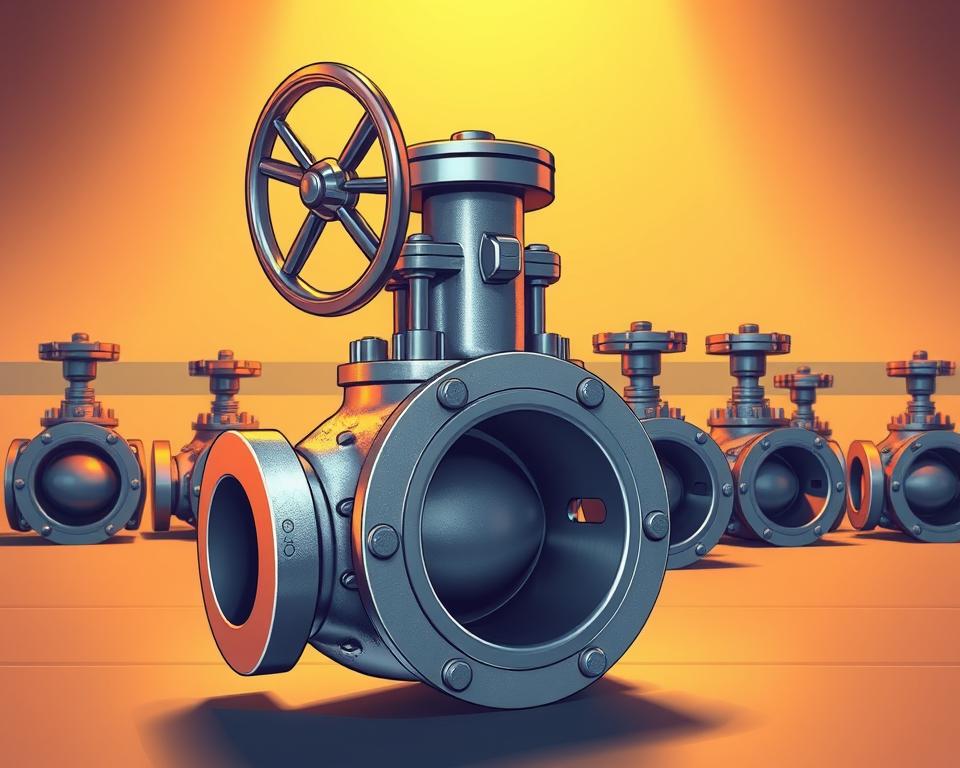
The Anatomy of a Resilient Seated Gate Valve

Cast Iron Gate Valve Solutions: Features, Benefits, and Uses

Could a single, well-made valve cut maintenance time and keep water systems running longer?

At Yaxing Valve, I manufacture and supply Cast Iron Gate Valve Manufacturer and back their quality and after-sales support for U.S. clients. The range is designed for a long service life in public water and light industrial applications.

Every valve combines a rugged cast-iron body, a precision-machined wedge guide, and simple handwheel operation. This yields trustworthy isolation, serviceable upkeep, and steady performance in buildings, fire mains, and utility distribution lines.

I support specifiers with fast submittals and transparent details: sizes, connection types, pressure classes, and optional accessories. We retain cart and preference data (cookies) to make reorders simple.

If you need a practical replacement or a cost-effective option for new projects, weigh these cast iron gate valve benefits versus existing hardware to see lifecycle value and real-world fit.

Why Yaxing Valve Cast Iron Gate Valves Deliver Reliable Flow Control

I verify each Yaxing Valve product myself to confidently recommend it for demanding U.S. applications.

Industrial performance anchored by a robust cast-iron body

Every valve features a strong cast-iron body that resists load-induced deformation. Metal-to-metal seating and precise machining ensure tight shutoff when customers need it most.

Cast Iron Gate Valve Manufacturer

Shaped for maximum flow and low pressure drop

A streamlined flow path cuts turbulence and pressure drop. This helps pumps operate efficiently while reducing energy consumption.

  • Dimensions and testing are validated to ANSI norms and internal criteria.
  • Stem, wedge, and bonnet interfaces are finished to reduce friction and keep handwheel torque consistent long-term.
  • I balance body thickness for durability and installer-friendly weight.
  • My product support documents tests and standards so procurement can finalize orders fast.
Key Feature Advantage Specification
Robust iron body High structural strength Dimensional stability verified
Streamlined gate Reduced pressure drop Boosts pump operating efficiency
Refined stem and handwheel Smoother operation Stable torque for extended life
Test documentation Speedier submittal clearance ANSI-aligned test reports

Cast Iron Gate Valves—Materials, Design Details, and Key Performance

I detail body, sealing, and stem choices so selection and ordering stay simple.

Body/Bonnet/Wedge Materials

The material stack includes a cast-iron body/bonnet, a precision-machined wedge, and metal-to-metal seating for dependable shutoff in water service and general industry.

Stem/Handwheel configurations

Non-rising stems and inside-screw stems are available for tight spaces. Each screw thread form and packing arrangement is documented in my product details.

Performance Envelope and Standards

I provide qualified pressure/temperature ranges and ANSI-aligned end connections so engineers can confirm fit quickly.

  • Stem/handwheel interface tuned for steady torque.
  • Geometry and smooth internal surfaces minimize headloss through the gate.
  • Series codes with submittal-ready specs shorten ordering cycles.
Part Material/Type Rating Notes
Body and Bonnet Cast iron 150 psi ANSI flange dimensions, welded/bolted options
Gate wedge Machined alloy −20° to 180°F service Metal-to-metal seating, low headloss finish
Stem Non-rising / inside screw N/A Documented thread and packing in datasheet
Series Series YX-100, YX-200 2–12 inch range Simple part numbering

Applications, Installation, and Day-to-Day Operation

I help contractors and owners place these valves where they perform best in modern loops. My aim is to keep selection, installation, and checks straightforward so crews finish commissioning without call-backs.

Waterworks, building systems, and general industry applications

Use a full-bore unit where low restriction matters — long mains, service feeds, and bypass lines benefit the most.

For mechanical rooms and industrial loops with limited headroom, I favor non-rising stem or inside-screw designs.

Install best practices

Protect the body during handling by lifting at rated points and avoiding flange stress. Verify end alignment before final torque to avoid leaks and distortion.

Pick gaskets compatible with your media, follow a cross-torque sequence, and set support spacing to avoid pipeline sag.

O&M notes

Set the handwheel for comfortable access and verify free stem/handwheel movement after packing adjustments.

Schedule torque checks under pressure, inspect wedge and packing, and confirm operating range versus the media. Record tag numbers in your maintenance account and link CMMS work orders.

Area Recommended Action When Benefit
Use-case mapping Use full-bore on mains; inside-screw/NRS in tight spots Planning Less pressure loss and space efficiency
Handling & installation Lift at rated points, align ends, cross-torque Field install Avoids stress-related leaks
Operating checks Verify handwheel feel; test under pressure Commissioning & routine Stable operation with reliable shutoff
Recordkeeping Apply tags and link into CMMS Throughout lifecycle Quicker parts tracking/replacement

Correct handling/commissioning extends service life and keeps Resilient Seated Gate Valve performing and looking like new.

Let’s Specify the Right Iron Gate Valve at Yaxing Valve Today

Contact me with your line size, pressure expectations, and flow needs and I will match the exact series and type to your duty range and temperature limits.

My concise checklist speeds approvals: end type, inside-screw vs non-rising, and handwheel orientation. I also capture stem/handwheel and screw details for clear install guidance.

Check the image gallery for high-resolution views with layouts showing clearance and operator reach. Make an account to save specs, tag valves, and link drawings plus a one-page field PDF.

Reach out for a quick quote—I’ll confirm stock, lead times, series alternatives, and help you finish the order while you review the gallery. We only use cookies to keep your session and cart active.

Precision Titanium Machining for Spinal Devices

Prototype CNC Machining: Quick-Turn Prototyping Options

Fun fact over forty percent of product engineering teams reduce launch timelines by one-half with accelerated prototype workflows that reflect manufacturing?

UYEE Prototype provides a U.S.-focused program that quickens design validation with on-the-spot online quoting, auto DfM checks, and live order status. Teams can obtain components with an avg. lead time down to 2 days, so teams test form/fit/function ahead of tooling for titanium machining.

The capability set includes 3–5 axis milling and precision turning plus sheet metal, SLA 3D printing, and fast molding. Downstream finishing come built-in, so parts arrive ready to test and stakeholder demos.

This workflow keeps friction low from CAD upload to final parts. Broad material choices and production-relevant quality levels help engineers run reliable mechanical tests while maintaining timelines and budgets consistent.

  • UYEE Prototype caters to U.S. teams with rapid, production-relevant prototyping options.
  • On-demand quotes and automatic DfM accelerate go/no-go choices.
  • Common turnaround can be as fast as two days for most orders.
  • Challenging features supported through 3–5 axis milling and precision turning.
  • >>Integrated post-processing ships parts ready for demo or testing.

CNC Prototype Services with Precision by UYEE Prototype

A responsive team and turnkey workflow makes UYEE Prototype a dependable supplier for accurate prototype builds.

UYEE Prototype delivers a straightforward, end-to-end pathway from model upload to completed parts. The platform enables Upload & Analyze for on-the-spot quotes, Pay + Manufacture with secure checkout, and Receive & Review via live status.

The engineering team advises on DfM, material selection, tolerance planning, and finishing approaches. Advanced CNC machines and in-line inspections deliver repeatability so test parts meet both functional and cosmetic requirements.

Engineering teams gain combined engineering feedback, scheduling, quality checks, and logistics in one cohesive package. Daily status updates and hands-on schedule management keep on-time delivery a priority.
titanium machining

  • Turnkey delivery: single source for quoting, production, and delivery.
  • Reliable repeatability: documented checkpoints and SOPs drive consistent results.
  • Scalable support: from one-off POC parts to multi-part runs for system tests.

Prototype CNC Machining

Quick, production-like machined parts remove weeks from development schedules and expose design risks upfront.

Milled and turned prototypes speed iteration by skipping extended tooling waits. Product groups can commission limited batches and validate form, fit, and function in a few days instead of long cycles. This shortens development cycles and limits late-stage surprises before full-scale production.

  • Quick iteration: avoid mold waits and validate engineering decisions sooner.
  • Structural testing: machined parts deliver precise tolerances and stable material properties for load and heat tests.
  • Printing vs milled parts: additive is quick for visual models but can show directional weakness or reduced strength in demanding tests.
  • Injection trade-offs: injection and molded runs make sense at volume, but tooling expense often hurts early-stage choice.
  • When to pick this method: high-precision fit checks, assemblies with critical relationships, and controlled A/B comparisons.

UYEE Prototype guides the right approach for each stage, balancing time, budget, and fidelity to reduce production risk and speed milestones.

CNC Capabilities Tailored for Fast Prototyping

High-end milling and turning assets let teams turn complex designs into testable parts fast.

3-, 4-, and full 5-axis milling for intricate shapes

UYEE operates 3-, 4-, and full 5-axis milling centers that unlock undercuts, compound angles, and freeform surfaces for enclosures and mechanisms.

Multi-axis milling cuts setups and maintains feature relationships aligned with the original datum strategy.

Precision turning complements milling for concentric features, threads, and precision bores used in shafts, bushings, and fittings.

Burr removal, edge-breaking, and secondary finishing ensure parts are safe for handling and test-ready.

Tight tolerances and surface accuracy for performance testing

Toolpath strategies and tuned cutting parameters balance speed with dimensional accuracy.

Machine selection and advanced medical device prototyping fixturing boost repeatability across multiple units so test data stays trustworthy.

UYEE matches tolerances to the test objective, focusing on the features that govern function and assembly performance.

Capability Benefit When to use
3-axis Efficient simple geometries Simple brackets and plates
4-/5-axis Access to hidden faces Organic forms
Turning True running diameters Rings and sleeves

From CAD to Part: Our Streamlined Process

A cohesive, end-to-end workflow converts your CAD into test-ready parts while cutting wait time and rework. UYEE Prototype manages every step—quote, DfM, build, and delivery—so your project remains on track.

Upload and analyze

Upload a CAD file and get an on-the-spot quote plus auto DfM checks. The system calls out tool access, thin walls, and tolerance risks so designers can fix issues before production.

Pay and manufacture

Secure checkout locks in payment and sets an immediate schedule. Many orders move into production quickly, with typical lead time as short as two days for typical prototyping runs.

Receive and review

Online tracking displays build status, shipping estimates, and inspection reports. Teams share quotes, drawings, and notes in one place to accelerate internal approvals and align stakeholders.

  • Unified flow for one-off and multi-variant keeps comparison testing efficient.
  • Auto DfM cuts rework by catching common issues early.
  • Live status improve visibility and enhance project predictability.
Step What happens Benefit
Upload & Analyze Instant pricing and auto DfM report Quicker iteration, fewer revisions
Pay + Manufacture Secure checkout and priority scheduling Fast turn; average 2 days for many orders
Receive + Review Online tracking, documentation, team sharing Clear delivery estimates and audit trail

Materials for Prototyping That Mirror Production

A materials strategy that aligns with production grades builds test confidence and move faster.

UYEE sources a wide portfolio of metals and engineering plastics so parts perform like final production. That alignment supports accurate strength, stiffness, and thermal evaluations.

Metals for strength and corrosion resistance

Available metals include Aluminum 6061/7075/5052 for structural prototypes, stainless 304/316/316L for corrosion resistance, brass C360, copper C110, titanium Gr5, carbon and alloy steels, and a range of tool steels and spring steel for fatigue-critical parts.

Plastics for high-temperature needs

Plastics offered include ABS (and FR), PC, Nylon 6/12, POM, PP, PE, PMMA, PTFE, PEEK, PVC, FR4, and TPU. Options address impact resistance, transparency, chemical stability, and heat deflection.

How material choice affects tests

Matching prototype CNC machining material grade improves tolerance holding and surface quality, so fit and finish results reflect production reality. Tough alloys or filled polymers may affect achievable cosmetic finish and machining marks.

Category Example Grades When to Use
Light metal Al 6061 / 7075 General structural parts
Corrosion resistance SS 304 / 316L Marine or chemical exposure
High-performance Titanium Gr5 / Tool steels Severe duty
Engineering plastics PC, PEEK, Nylon Mechanical and thermal demands

UYEE works with you to balance machinability, cost, lead time, and downstream finishing to choose the right material for meaningful results.

Surface Finishes and Aesthetics for Production-Grade Prototypes

Choosing the right finish transforms raw metal into parts that test and present like the final product.

Core finishes give you a quick path to functional evaluation or a clean demo. As-milled preserves accuracy and speed. Bead blast adds a consistent matte, and Brushed finishes create directional grain for a refined, functional look.

Anodizing boosts hardness and corrosion resistance and can be dyed for color. Black oxide diminishes reflectivity and adds mild protection. Electrically conductive oxidation maintains electrical continuity where grounding or EMI paths are critical.

Presentation painting and color

Spray painting offers matte/gloss choices plus Pantone matching for brand fidelity. Painted parts can simulate final color and feel for stakeholder reviews and investor demos.

  • Finish choice shapes perceived quality and helps simulate production cosmetics.
  • Achievable surface quality is influenced by base metal, toolpath, and handling sensitivity.
  • UYEE Prototype provides a range of finishing paths—from durable textures for test articles to show-ready coatings for demos.
Finish Benefit When to Use
As-milled Fast, accurate Functional tests
Bead blast / Brushed Even texture / directional grain Aesthetic surfaces
Anodize / Black oxide Hardness, low reflectivity Outdoor or harsh use

Quality Assurance That Fulfills Your Requirements

QA systems and inspection plans lock in traceability and results so teams can rely on test data and schedules.

ISO-aligned controls, first article compliance, CoC and material traceability

ISO-aligned procedures guide incoming material verification, in-process inspections, and final acceptance to satisfy specifications. Documented controls improve consistency and enable repeatable outcomes across batches.

First Article Inspection (FAI) support helps establish a dimensional baseline for critical builds before additional units proceed. Measurement strategies include CMM reports, calibrated gauges, and targeted feature checks to protect precision and accuracy where it matters most.

Certificates of Conformance and material traceability are available on request to serve regulated manufacturing and procurement needs. Material and process trace logs record origin, heat numbers, and processing steps for audit readiness.

  • Quality plans are right-sized to part function and risk, weighing rigor and lead time.
  • Documented processes increase consistency and lower variance in test outcomes.
  • Predictable logistics and monitored deliveries maintain schedule adherence.

Intellectual Property Protection You Can Rely On

Security for confidential designs starts at onboarding and continues through every production step.

UYEE implements contractual safeguards and NDAs to hold CAD files, drawings, and specs confidential. Agreements specify handling, retention, and permitted use so your development work remains protected.

Controlled data handling methods reduce exposure risk. Role-based access, audit logs, and file traceability show who accessed or modified designs during quoting, manufacturing, and shipping.

Strict onboarding and data controls

Vendors and staff undergo strict onboarding with contractual obligations and training on confidentiality. Background checks and defined access limits align teams to protection methods.

  • Secure file transfer and encrypted storage for additive-ready and machining-ready files.
  • Traceable change history and signed NDAs for all external partners.
  • Documented processes that cover quoting, production, inspection, and logistics.
Control How it protects IP When it applies
NDAs & contracts Define legal obligations and remedies Project start to finish
Access controls Restrict access and track events Throughout production
Encrypted transfer & storage Protect files in transit and at rest All data handling
Trained team Ensures consistent handling across projects All service and development phases

Industry Applications: Proven Across Demanding Use Cases

High-stakes programs in medicine, aerospace, and defense need accurate parts for meaningful test results.

Medical and dental teams apply machined parts for orthotics, safe enclosures, and research fixtures that need tight tolerances.

Precise metal selection and controlled finishes reduce risk in clinical tests and regulatory checks.

Automotive

Automotive applications include fit/function interiors, brackets, and under-hood components subject to heat and vibration.

Fast iterations let engineers validate assemblies and service life before committing to production tooling.

Aerospace and aviation

Aerospace uses accurate manifolds, bushings, and airfoil-related parts where small deviations affect airflow and safety.

Inspection plans prioritize critical dimensions and material traceability for flight-ready evaluation.

Defense and industrial

Defense and industrial customers need durable communication components, tooling, and machine interfaces that hold up under stress.

UYEE Prototype tunes finish and inspection scope to meet rugged operational demands and procurement standards.

Consumer electronics and robotics

Consumer electronics and robotics need fine features, cosmetic surfaces, and precise mechanisms for smooth assembly and user experience.

Short runs of CNC machined parts accelerate design validation and help teams refine production intent before scaling.

  • Industry experience anticipates risk and propose pragmatic test plans.
  • Material, finish, and inspection are tuned to each sector’s operating and compliance needs.
  • UYEE Prototype serves medical, automotive, aerospace, defense/industrial, consumer electronics, and robotics customers across the U.S.
Industry Typical applications Key considerations
Medical & Dental Orthotics, enclosures, fixtures Tight tolerances, biocompatible finishes
Automotive Brackets, fit checks, under-hood parts Heat, vibration, material durability
Aerospace Manifolds, bushings, flight components Dimensional accuracy, traceability
Consumer & Robotics Housings, precision mechanisms Cosmetic finish, fine features

Design for Machining: CNC DfM Guidelines

A CNC-aware approach prioritizes tool access, rigid features, and tolerances that match test needs.

Automatic DfM checks at upload identifies tool access, wall thickness, and other risks so you can modify the 3D model before production. UYEE aligns multi-axis selection to the geometry rather than forcing a 3-axis setup to mimic a 5-axis method.

Geometry, tool access, and feature sizing for 3–5 axis

Keep walls appropriately thick and features within cutter reach. Minimum wall thickness varies by material, but designing broader webs reduces chatter and tool deflection.

Use radiused fillets at internal corners to allow proper cutter engagement. Deep, small pockets should be designed with access ramps or additional setups in mind.

Tolerance planning for appearance vs functional parts

Separate cosmetic and functional tolerances upfront. Tight form tolerances belong on mating surfaces. Looser cosmetic limits reduce cycle time and reduce cost.

Define datum schemes and tolerance stacks for assemblies and kinematic mechanisms. Document measurement plans for critical features so acceptance criteria are clear before the first run.

  • Set minimum wall thickness, feature depths, and fillets to improve tool access and stability.
  • Use 5-axis when feature relationships or undercuts need single-setup accuracy; choose simple fixturing when speed matters.
  • Specify best practices for threads, countersinks, and small holes to prevent tool deflection and deliver repeatable quality.
  • Early DfM reviews cut redesign and speed prototyping iterations.
Focus Design Rule Benefit
Wall & Fillet Wider webs, radiused corners Reduced deflection, better surface finish
Setups Prefer 5-axis for complex relations Fewer fixtures, preserved geometry
Tolerances Functional vs cosmetic Cost control, faster cycles

Speed to Market: Lead Times and Low-Volume Runs

Quick-turn builds compress calendar gaps so engineers can advance from idea to test faster.

UYEE supports rapid prototyping with average lead times as fast as two days. Priority scheduling and standardized setups cut lead time for urgent EVT and DVT builds.

Low-volume runs bridge to pilot production and support assembly testing or limited market trials. Short-run parts keep the same inspection, documentation, and traceability as single-unit work.

Teams can quickly reorder or revise as development learning accumulates. Tactical use of CNC lets you defer expensive tooling until the design stabilizes, minimizing sunk cost.

Consistent delivery cadence helps synchronize test plans, firmware updates, and supplier readiness so programs stay on schedule.

Attribute Typical Range When to Use
Lead time 1–5 days (avg 2 days) Urgent engineering builds
Run size 1–200 units Validation, pilot trials
Quality & docs FAI, CoC, inspection reports Regulated tests, production handoff
Flexibility Fast reorders, design revisions Iteration-driven development

CNC vs Injection Molding and 3D Printing for Prototypes

Picking the right method can reduce time and cost when you move from concept to test parts.

Small batches force a practical decision: avoid long lead times or invest in tooling for lower unit cost. For many low-quantity runs, machined parts outperform molds on schedule and upfront cost. Printing is fastest for concept visuals and complex internal lattices, but may not match mechanical performance.

Cost, time, and fidelity trade-offs at low quantities

Injection molding demands tooling that can take months and thousands in cost. That makes it uneconomical for small lots.

Machined parts avoid tooling fees and often deliver tighter dimensional control and stronger bulk properties than many printed parts. Chips from metal removal are recyclable to minimize scrap.

  • Time: printing for hours to days; machining for days; injection may take weeks to months.
  • Cost: low unit counts favor machining or printing; molding only pays off at volume.
  • Fidelity: machining offers consistent tolerances and surface finish; printing can show anisotropy and layer artifacts.

When to bridge from CNC prototypes to molding

Plan a bridge to injection when the design is frozen, tolerances are locked, and material choice is finalized. Use machined parts to prove fit, function, and assembly before tooling up.

Early DfM learnings from machined runs reduce mold changes and increase first-off success. Optimize raw stock, nest efficiently, and reclaim chips to enhance sustainability during the transition.

Attribute Best for Notes
Printing Ultra-fast concepts, complex lattices Low strength; good for visual and some functional tests
Machining Small lots, tight tolerances, mechanical tests Avoids tooling; recyclability reduces waste
Injection High-volume production High upfront tooling; lowest unit cost at scale

Beyond CNC: Complementary On-Demand Manufacturing

Modern development benefits from a suite of on-demand methods that match each milestone.

UYEE Prototype broadens capability with sheet metal, high-resolution 3D printing, and rapid injection molding to cover the full range of development needs.

Sheet metal fabrication uses laser cutting and bending for fast flat-pattern iterations. It is ideal for enclosures and brackets with formed features that are hard or expensive to mill.

3D printing and SLA

SLA printing delivers smooth surfaces and fine detail for concept models and complex internal geometries. It enables speedy visual checks and fit trials before committing to harder materials.

Rapid injection molding

Rapid tooling, family molds, and multi-cavity options enable bridging to higher volumes once designs stabilize. Overmolding can add soft-touch or bonded layers in the same run.

Multi-process programs often combine CNC parts with printed components or sheet metal to accelerate subsystem integration. Material and process selection prioritize validation goals, schedule, and budget.

  • Sheet metal: fast iterations for formed parts and brackets.
  • SLA printing: high-accuracy surfaces and internal detail.
  • Rapid molding: cost-effective bridge when volumes justify tooling.
Method Best use Key benefit
Sheet metal Enclosures, brackets Fast flat-pattern changes
SLA printing Concept and internal features Smooth finish, fine detail
Rapid molding Bridge volumes Production-like parts, repeatability

Get an Instant Quote and Begin Now

Upload your design and receive immediate pricing plus actionable DfM feedback to cut costly revisions.

Upload files for locked pricing and DfM insights

Send CAD files and get an instant, guaranteed quote with auto DfM that flags tool access, thin walls, and tolerance risks.

The platform secures pricing and schedule so your project can move into production planning right away.

Work with our skilled team for prototypes that match production intent

Our team works with you on tolerances, finishes, and materials to make product builds mirror final intent.

UYEE handles processes from scheduling through inspection and shipment, simplifying vendor coordination and keeping transparency at every step.

  • Upload CAD for locked pricing and fast DfM feedback to reduce risk.
  • Collaborative reviews synchronize tolerances and finishes to the product goal.
  • Secure payments, online tracking, and clear status updates maintain visibility through delivery.
What Benefit When
Instant quote Guaranteed pricing Start project fast
DfM report Fewer revisions Design validation
Order tracking Full visibility On-time delivery

Start today to cut lead times and get product-ready, CNC machining work, including CNC machined and machined parts that aid stakeholder reviews and functional tests.

Conclusion

Bridge development gaps by using a single supplier that combines multi-axis capabilities with quick turnarounds and documented quality.

UYEE Prototype’s ecosystem of CNC equipment, materials, and finishes enables rapid prototyping with production-like fidelity. Teams gain access to multi-axis milling, turning, and a broad material set to meet test goals.

Choosing machining for functional work provides tight tolerances, predictable material performance, and repeatable results across units. That consistency improves test confidence and speeds the move to production.

The streamlined process—from instant quote and auto DfM to Pay + Manufacture and tracked shipment—keeps schedule risk low. Robust quality artifacts like FAI, CoC, and traceability preserve measurement discipline and surface outcomes.

Options across CNC, printing, and injection molding let you pick the right method at each stage. Begin your next project to get instant pricing, expert guidance, and reliable delivery that reduces time-to-market.

Related: CNC Precision Machining For Aerospace

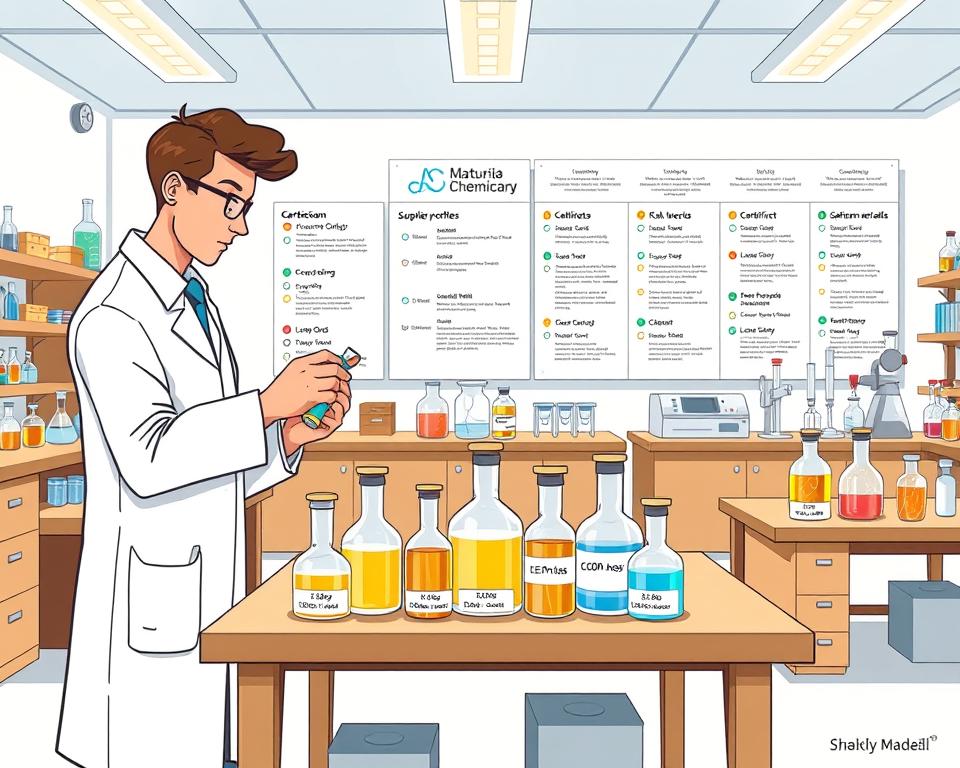
How to Secure Consistent Supply of Industrial Solvents

Leading China Chemical Suppliers: Quality and Reliability

Were you aware that China dominates the global chemical market, producing more than forty percent of the world’s chemical products? This preeminence underscores the scale and significance of the Chinese chemical industry. It also emphasizes the value of picking the appropriate collaborators within China chemical suppliers.

Amid the swift-paced domain of industrial chemistry, the dependability of your provider matters most. It has a profound influence on your output’s excellence and efficiency. Companies like Tianjin Chengyi International Trading Co. distinguish themselves as trustworthy vendors in China. They deliver high-quality standards across multiple manufacturing uses. This article will explore what makes leading China chemical suppliers stand out, highlighting excellence and dependability as the bedrock of fruitful collaboration.

Essential Insights

  • China’s dominance in the global chemical market offers many opportunities for businesses worldwide.
  • Selecting trustworthy Chinese chemical vendors is crucial to uphold product standards and efficiency.
  • Firms such as Tianjin Chengyi International Trading Co. emphasize quality control in sourcing chemicals.
  • The vast production of industrial chemicals in China impacts various sectors, from manufacturing to pharmaceuticals.
  • Understanding quality standards is critical for navigating the China chemical suppliers landscape.

China chemical suppliers

The Importance of Quality in China Chemical Suppliers

The role of quality in China’s chemical suppliers is critical. Premier Chinese chemical producers maintain stringent criteria. They conform to international and domestic rules. They build trust and reliability, helping providers remain viable and fulfill buyer demands.

Quality assurance certifications, like ISO 9001, are key. They assess chemical product excellence. These certifications are essential for evaluating manufacturing processes.

Deciphering Compliance Benchmarks

QA in China underpins the entire supply chain’s soundness. Vendors obtain various accreditations to guarantee output superiority. Adhering to these benchmarks delivers uniformity, protection, and conformity in manufacturing.

These accreditations improve confidence for worldwide customers. They show a commitment to high-quality industrial chemicals.

Impact of Quality on Industry Applications

The excellence of Chinese chemical products shapes multiple sectors. For instance in medicine, crop production, and industrial assembly. Premium substances bolster protection and output, crucial in accurate and trustworthy fields.

In pharma, substandard compounds may undermine medication potency. In the agricultural sector, top-grade supplies affect yield volumes. Emphasizing excellence is fundamental to commercial achievement globally.

Overview of the China Chemical Industry

China’s chemical sector holds global prominence, marked by notable growth trends that influence the economy. As a leading chemical manufacturer worldwide, China holds a significant share of global chemical production. It stands as a pivotal base for chemical producers in the country. The industry has evolved considerably, seeking novel production approaches and applications.

Expansion Patterns in the Chemical Industry

Lately, the chemicals market has surged quickly. City growth, tech advancements, and rising eco-consciousness fuelled this rise. Companies are now prioritizing sustainability, meeting international standards while boosting efficiency. Investments in research and development also uncover new materials and processes, fueling market growth.

Market Dimensions and Economic Contribution

The size of the China chemical industry’s market highlights its substantial contribution to the national economy. This sector not only boosts GDP but also creates millions of jobs across different sub-sectors. The financial impact of Chinese chemical vendors reaches worldwide commerce. Thanks to persistent innovation and flexibility, this field endures as key to the national economy.

Categories of Chemicals from Top Vendors

China’s chemicals market presents a wide range of compounds, sorted into various chemical groups. Knowing these divisions is key to choosing premier suppliers in China. It matters for enterprises needing high-quality industrial compounds. Here we explore distinctions between inorganic vs. organic and specialty vs. bulk compounds. These categories meet specific industry demands.

Comparing Inorganic and Organic Chemicals

Inorganic compounds consist of metals, salts, and minerals free of carbon–hydrogen linkages. They play vital roles in production, farming, and building. By comparison, organic compounds—carbon-centric—cover fuels, solvents, and polymers. Both categories boast distinct applications in diverse industries, influencing buying plans.

Specialty versus Bulk Chemical Products

Specialty compounds are designed for targeted applications, exhibiting bespoke traits. They are commonly found in pharmaceuticals, cosmetics, and electronics. Bulk substances, by contrast, are generated en masse. They serve as the base for many applications, such as fertilizers and basic industrial materials. Identifying appropriate chemical classes for your demands is crucial for strategic sourcing.

Leading China Chemical Suppliers

The Chinese chemical market is flourishing, driven by various firms operating locally and internationally. Premier providers in China gain renown for standards and trustworthiness. Companies like Tianjin Chengyi International Trading Co. are known for excellent customer service and a wide range of products. They address diverse market requirements.

Prominent Market Leaders

Multiple leading companies command this fierce arena. Firms such as Sinopec and BASF enjoy global renown for broad portfolios and cutting-edge tactics. These leading suppliers hold significant market shares, often leading in quality and efficiency. They channel funds into R&D, pioneering with everything from standard chemicals to intricate blends.

Innovations and New Entrants

Fresh entrants likewise reshape the sector panorama. These innovative companies bring fresh ideas and solutions, increasing competition among top suppliers. They concentrate on advanced innovations, eco-friendly processes, and customized offerings for distinction. This fluid setting drives constant evolution in Chinese chemical products, serving users and fields dependent on them.

Standards Safeguards in Chinese Chemical Producers

Quality assurance is a cornerstone in Chinese chemical companies. They enforce rigorous steps to guarantee outputs meet global safety and regulatory criteria. Reliable chemical suppliers in China often hold ISO certifications, which are benchmarks for quality across industries. These approvals demonstrate pursuit of top quality, raising trust among worldwide purchasers.

Regular checks are essential for upholding product wholeness. Frequent QC tests detect and address flaws prior to market release. Such a method safeguards buyers while sustaining the makers’ standing. Quality control protocols include:

  • Raw material assessments
  • In-process testing
  • End-of-line validations

Cultivating a standards-oriented environment at all levels is essential. Employees must grasp the significance of quality assurance and embody it in their work. Educational initiatives are vital to cement this priority, guaranteeing top criteria for trustworthy suppliers.

These QC procedures are essential for nurturing long-term customer bonds internationally. They ensure manufacturers maintain their standing in the competitive chemical industry.

Finding Trustworthy Chinese Chemical Vendors

Finding trustworthy suppliers in China is essential for businesses looking to source chemicals. Price alone isn’t everything. Various elements count to verify provider trustworthiness. Examining market standing, client reviews, and sourcing openness offers key information.

Essential Aspects to Review

When searching for reliable chemical suppliers, certain elements are key:

  • Market Standing: Their sector standing reflects trustworthiness and standards.
  • Client Feedback: Favourable reviews from previous purchasers reveal vendor competence.
  • Supply Chain Transparency: Understanding the procurement path uncovers sourcing hazards.
  • Response Time: Rapid replies exhibit vendor commitment to support.
  • Expert Assistance: Access to expert advice adds value to the partnership through knowledge sharing.

Certifications and Compliance

Certifications are critical in verifying a supplier’s commitment to quality. When evaluating chemical suppliers, consider these certifications and compliance standards:

Certification Description
ISO 9001 Quality management system ensuring consistent product quality.
REACH Registration, Evaluation, Authorization, and Restriction of Chemicals compliance in the EU.
RoHS Restriction of Hazardous Substances compliance for electronic components.
OSHA Compliance Ensures safe and healthful working conditions in the workplace.

These certifications confirm suppliers adhere to high standards of safety, environmental protection, and operational quality. Assessing distinct approvals allows you to spot dependable providers keen on conformity.

Procurement of Industrial Chemicals from China

Knowing local business norms and tariff laws is essential for acquiring industrial chemicals out of China. Several companies engage procurement agents for specialist knowledge. Such intermediaries possess regional expertise and links to dependable vendors. This streamlines acquisition for firms entering the China arena.

Engaging China-Based Sourcing Specialists

Chemical sourcing agents in China are vital for ensuring product quality and timely delivery. They act as a bridge between buyers and producers, handle pricing, and conduct quality checks. By engaging a sourcing agent, companies can save time and reduce risks. Their insight finds dependable providers, improving procurement results.

Managing Chinese Import Rules

Customs and trade policies play key roles in China sourcing. It’s essential to grasp tariffs, safety standards, and compliance requirements. Firms need to align imports with Chinese laws to prevent holdups and penalties. Buying intermediaries give critical advice on these elaborate norms for hassle-free sourcing.

In conclusion, businesses sourcing industrial chemicals from China benefit from working with skilled sourcing agents. Those intermediaries assist in trade conformity and vendor trustworthiness. This strategy simplifies acquisition, boosting total buying effectiveness.

Top Tips for Collaborating with Chinese Chemical Producers

Forming successful partnerships with reliable chemical suppliers in China is vital for businesses seeking quality materials. Effective dialogue is the foundation of such partnerships. Clearly stating needs and expectations can lay the groundwork for a robust partnership. Frequent check-ins and engagement foster confidence and address issues promptly.

Negotiating agreements remains essential for frictionless workflow. Parties need consensus on pivotal aspects such as cost, timing, and benchmarks. A detailed agreement prevents confusion and defines responsibilities.

Enduring ties with chemical producers ensure steadiness and trust. Building rapport enables firms to gain favorable deals and access updates on innovations. Taking part in cooperative events such as inspections or plant visits fortifies these relationships.

To achieve success, businesses must remain flexible and open-minded. The chemical industry is constantly evolving, and adapting to these changes can improve partnerships. An anticipatory approach yields fruitful partnerships with Chinese producers.

Challenges Faced by China Chemical Suppliers

China’s chemical sourcing arena is loaded with challenges. Compliance barriers loom large, forcing vendors to meet tougher eco and health mandates. Such requirements may trigger manufacturing hold-ups and hike running expenses, impacting vendor productivity.

Compliance Obstacles

Adhering to national and international regulations is a significant challenge for Chinese chemical suppliers. Green policies, trade barriers, and security norms force suppliers to constantly refine procedures. This drive for adherence frequently calls for hefty investments, burdening funds.

Wrapping It Up

Logistical interruptions similarly threaten China’s chemical vendors. Global events like trade disputes and pandemics worsen these issues, leading to delays and higher costs. Utilizing tactics such as expanding vendor bases and adopting tech solutions can reduce these disturbances. This ensures a more stable operational framework.

To Conclude

Opting for leading China chemical providers is crucial for excellence and reliability in industrial substances. This overview covered the extensive array of chemical products. It furthermore demonstrated how dependable vendors such as Tianjin Chengyi International Trading Co. bolster company performance.

Quality assurance and certifications are vital when picking partners. Amid market enlargement, the requirement for reliable providers will grow. Enterprises should develop firm alliances with renowned makers. That enhances performance and underpins long-term expansion.

Firms may gain from targeted procurement and market insight into China’s chemicals sector. Adopting best practices prepares them for challenges and opportunities in the dynamic industrial chemicals sector.

How to Present Your Cosmetic Bag Samples to Buyers

Custom Cosmetic Bag Manufacturer: Tailored Bags for Beauty

By 2025, the worldwide cosmetic bag market will reach $5 billion. Such growth reflects a strong taste for chic, practical beauty-product carriers. Being a premier cosmetic bag maker, we strive to deliver unique designs that delight and serve functional purposes. We work hand-in-hand with brands to create high-quality, personalized cosmetic bag manufacturer that perfectly reflect their brand’s essence

Essential Insights

  • Market forecasts show $5 billion in cosmetic bag sales by 2025
  • Personalized beauty bags match exact brand and user requirements
  • Personalized beauty bag manufacturers focus on quality and design
  • Working with producers allows brands to define their distinct persona
  • Functionality and aesthetics are key components of successful cosmetic bags

What a Cosmetic Bag Manufacturer Does

The cosmetic bag manufacturer is a key player in the beauty industry. They link brands and end-users. These manufacturers specialize in creating custom cosmetic bags that meet the specific needs of beauty brands. They guarantee every bag matches brand style and practical needs.

In a cutthroat industry, an appealing cosmetic bag is crucial. It holds beauty essentials and doubles as a promotional asset. A premium bag enhances product allure and solidifies brand image.

cosmetic bag manufacturer

Knowing industry hurdles helps manufacturers innovate effectively. Options span materials, styles, and dimensions. Picking the ideal maker is vital for thriving in a dynamic market.

Custom Bag Varieties

Manufacturers supply many bespoke bag types for diverse uses. Custom PVC cosmetic bags stand out for their durability and water resistance. They are perfect for storing liquids and beauty products. Plus, they are easy to clean, adding to their practicality.

Custom velvet cosmetic bags, on the other hand, bring a touch of elegance and luxury. Velvet’s plush feel lends refined style. This appeals to those who value finer details and seek to improve their brand image.

Understanding bag options aids brands in selecting wisely. A well-chosen bag elevates brand presence and satisfies user tastes.

Why Pick Custom Cosmetic Bags

Tailored beauty bags provide major brand benefits. They enhance brand recognition through logo placement. This makes them powerful marketing tools, leaving a lasting impression on customers.

Personalized beauty bag manufacturers provide designs that meet various consumer tastes. Such tailoring allows brands to differentiate themselves. It motivates customers to prefer items matching their tastes and requirements.

Custom bags foster stronger customer loyalty. A well-made, attractive bag builds brand connection. This emotional connection can lead to repeat purchases and positive recommendations.

Working with a branded cosmetic case producer simplifies the creative process and ensures a professional finish. This collaboration helps brands share their story, strengthening their marketing efforts and making a lasting impact on their audience.

Material Options for Custom Cosmetic Bags

Material selection defines bag attractiveness and usability. Options include numerous fabrics to suit different tastes and trends. PVC bags stand out for toughness and waterproof qualities, perfect for everyday use.

The velvet cosmetic bag, on the other hand, offers elegance, appealing to a more premium audience. Velvet’s luxurious feel and sophisticated look are highly sought after by brands. Understanding these qualities helps brands align packaging with their identity.

Knowing PVC’s utility and velvet’s elegance guides brands to optimal decisions. Opting for the right materials can boost customer happiness and loyalty to the brand.

Manufacturing Capability

A leading cosmetic bag manufacturer has an impressive production capacity. Monthly output can exceed 90 000 units. Such volume lets brands scale orders with demand and seasons. Standards never slip.

They run factories spanning over 25 000 m². They have a team of over 200 skilled employees. This setup ensures efficient production and high-quality bags that meet strict standards.

Being able to produce in such large quantities makes this manufacturer a reliable partner. They help businesses grow their product lines while keeping customer satisfaction high.

OEM/ODM Services: Tailored Solutions for Your Brand

In the cosmetic industry, OEM and ODM services are key for brands wanting unique cosmetic bags. They enable deep co-creation with makers to fulfill exact designs. OEM services help brands create products that reflect their unique identity while maintaining quality. This partnership encourages innovation and creativity, vital for market differentiation.

ODM provides end-to-end design services aligned with trends and market needs. Brands gain access to expert design teams who grasp market dynamics. They bring concepts to life, enhancing product lines and speeding development. Resulting in rapid launch and cost-effectiveness.

Opting for OEM/ODM is strategic for boosting beauty brand impact. Using such bespoke services, brands create unique bags resonating with consumers.

Service Type Description Benefits
OEM Services Adapting current designs for brand needs Unique branding, improved quality
ODM Services End-to-end design and production Access to design expertise, faster time-to-market
Tailored Solutions Custom strategies aligned with brand identity Distinctive products, solid positioning

Bag Production Quality Control

Quality assurance is vital in custom PVC cosmetic bag. It guarantees all bags match or exceed industry benchmarks. They perform rigorous tests on strength, material rules, and visual excellence.

Brands should pick pouch suppliers with robust QA measures. Early defect detection ensures a final product upholding brand standards. Adherence to bag manufacturing standards is key, proving the manufacturer’s reliability.

High-quality assurance practices build trust between suppliers, manufacturers, and clients. This dedication to excellence means customers get stylish, practical, and durable products.

Rapid Trend Adoption in Bag Production

Fast fashion trends have notably changed bag production. Now, brands demand rapid design-to-production turnaround. This need for rapid response impacts the design and production of cosmetic bags.

Market adaptability is key for manufacturers to keep up with changing consumer preferences. Trends can shift rapidly, making it critical for manufacturers to stay ahead. Offering varied designs is essential. It lets brands cater to a wide market seeking fresh beauty gear.

Manufacturers who excel in cosmetic bag production must be flexible. This flexibility is not just about meeting demand but also about staying competitive in a crowded market. Agility is key to thriving in fast-fashion contexts.

Brand Partnerships in Bag Manufacturing

Working with big-name brands elevates a bag maker’s market position. These partnerships showcase the manufacturer’s capabilities while linking with trusted names. That collaboration yields distinctive products aligned with market demand.

Partnering with renowned brands boosts exposure and market knowledge. This exchange drives innovation, pushing manufacturers to keep up with changing tastes. By capitalizing on these branding chances, companies can emerge as leaders in the cosmetic bag industry.

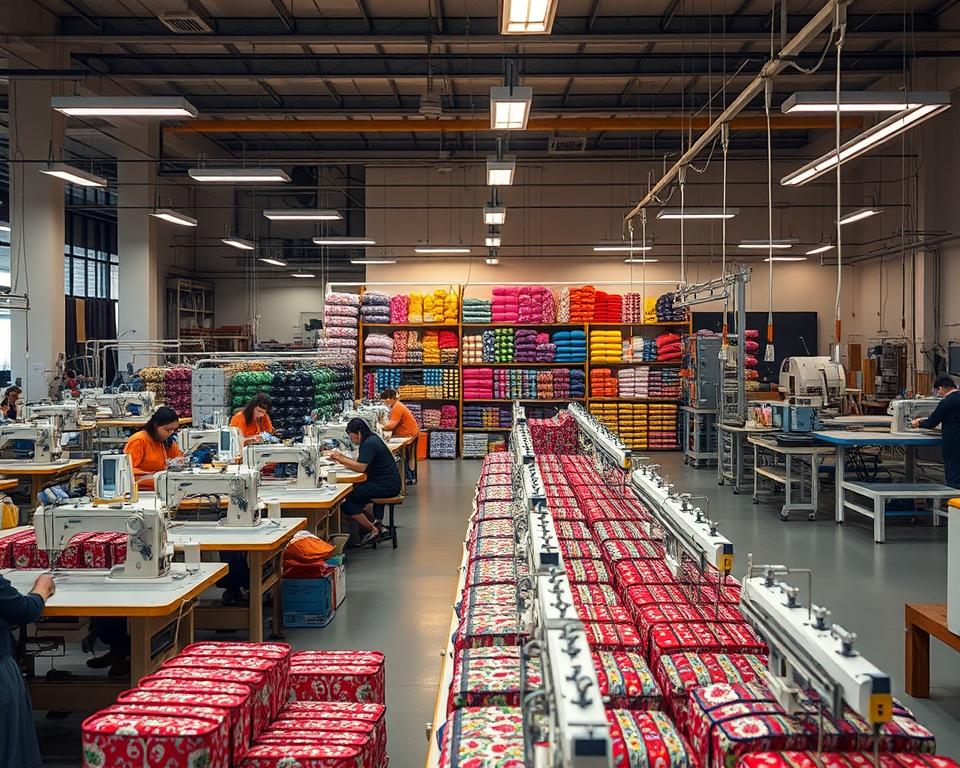
Visiting a Makeup Bag Factory

Visiting a custom makeup bag factory offers a unique inside look at the detailed manufacturing process. Each phase, from initial design to final assembly, is critical for producing high-quality items. Brands must grasp factory operations when seeking manufacturing partners.

Inside, you witness each stage forming the final bag. Design and engineering teams collaborate on creative, functional concepts. After prototypes pass inspection, the production process starts, involving cutting, sewing, and quality checks.

Production efficiency is vital to satisfy market needs. Manufacturers use advanced technologies and skilled labor to optimize workflows. The focus on quality control ensures every product meets standards before it reaches consumers.

Knowing production workflows guides brands in selecting partners. Exploring a factory’s materials and skills reveals what sets leading makers apart.

Selecting the Best Pouch Supplier

Picking an ideal pouch supplier is vital for beauty labels. A thorough evaluation should consider several key factors for a successful partnership. First, assess the supplier’s production capacity. They must be able to meet your order volumes and delivery timelines.

Material options are also vital in your decision. Brands should check if the supplier uses high-quality materials that meet their standards. Superior materials enhance appeal and drive loyalty.

Reviewing past custom velvet cosmetic bag prototypes shows skill and dependability. Reviews and feedback from other clients also shed light on their reputation. Communication quality impacts collaboration; assess their responsiveness on design and schedule.

Ultimately, a comprehensive review of capacity, quality, and communication ensures the right supplier match.

Key Traits of Top Case Producers

Selecting a branded case maker demands careful thought. Look for manufacturers with a strong track record and glowing reviews from past clients. This can give you a clear picture of their capabilities. Durability and excellence are non-negotiable.

It’s also vital to evaluate the producer’s design flexibility. Unique designs can make your products stand out in a crowded market. This is why branding is so critical from the start. A reliable partnership with a quality manufacturer can lead to outstanding products, boosting your brand’s visibility and customer loyalty.

Final Thoughts

Choosing the right cosmetic bag manufacturer is key for beauty brands aiming to boost their marketing and look. With diverse materials and output scales, brands face multiple considerations. Such choices profoundly influence brand perception.

Custom bags are more than just containers for makeup; they reflect a brand’s identity and values. Choosing a partner aligned with their goals lets brands craft items resonating with customers. This connection between product and brand is critical for building loyalty and increasing sales.

The choice of a cosmetic bag manufacturer is a strategic move, not just a practical one. By prioritizing excellence and creativity, brands can strengthen their image. They can also deliver products that make a lasting impact.

FAQ

What types of cosmetic bags do manufacturers offer?

Producers supply many bag types: PVC, velvet, and organizer styles. Each type caters to different needs, from practicality to luxury appeal.

How can custom cosmetic bags benefit my brand?

Custom cosmetic bags boost brand visibility and help differentiate your products. They align with customer tastes, acting as both container and promotion.

Can manufacturers develop exclusive bag designs?

Yes! Many manufacturers provide OEM and ODM services. It lets brands collaborate to produce one-of-a-kind styles reflecting their identity.

What material choices exist for cosmetic bags?

Options span PVC, velvet, and assorted textiles. Each appeals to unique segments and user tastes.

What criteria guide selecting a pouch supplier?

Evaluate suppliers based on production capacity, design capabilities, and quality assurance. A strong portfolio and positive testimonials are key to ensuring a reliable partnership.

How many bags can top manufacturers make monthly?

A leading manufacturer can produce over 90,000 units monthly. This capacity supports flexible ordering with market and seasonal shifts.

Why is quality assurance important in cosmetic bag manufacturing?

QA guarantees bags adhere to durability and style norms. Reliable suppliers conduct thorough testing to prevent defects. This guarantees a product that reflects your brand’s quality commitment.

How do trends influence bag manufacturing?

The rise of fast fashion requires manufacturers to be agile. They must adapt quickly to rapid design changes and meet evolving consumer demands.

What should I look for in a branded cosmetic case producer?

When choosing a branded cosmetic case producer, look at their project portfolio, design flexibility, and quality commitment. Their ability to communicate and collaborate with your brand is also essential.

Related: Cosmetic Surgery Marketing Company